Cool sunglasses stand out when distinctive design, appropriate lens performance, and comfortable fit work together. A bold silhouette can attract attention, but proportions, finishing, and wearing comfort determine whether the product delivers beyond its photograph. For brands and wholesale buyers, the practical task is to translate that appeal into measurable specifications. Evaluate the frame construction, verify lens claims, test fit on representative wearers, and compare quotations against the same requirements before committing to production.
Key Takeaways
The strongest sunglasses collections combine a clear visual identity with verified performance and consistent manufacturing.
- Design depends on balance: frame shape, thickness, color, and detailing should work together for the intended customer.
- Lens features serve different purposes: tint, polarization, and UV protection must be specified and evaluated separately.
- Fit requires physical assessment: printed dimensions alone cannot predict bridge comfort, stability, or pressure.
- Purchasing value comes from comparable specifications: assess materials, lenses, construction, packaging, and quality requirements alongside price.
What Makes Cool Sunglasses Look Distinctive?
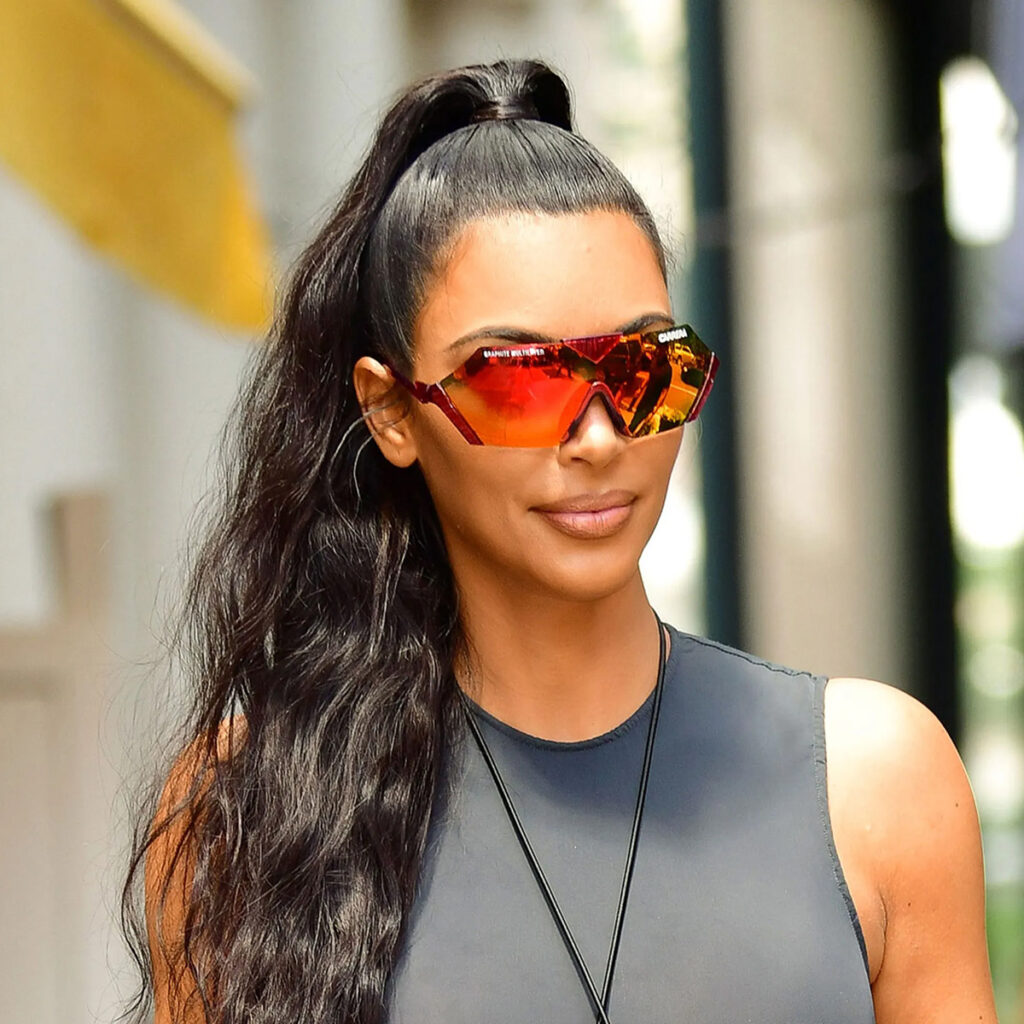
Distinctive sunglasses use proportions, color, and detailing to create a recognizable look that suits their intended wearer.
Frame Proportions Create the First Impression
A frame shape is only the starting point. Rim thickness, bridge position, lens height, and temple width change how that shape reads on the face.
For example, a shallow rectangular frame creates a different impression from a deeper square frame, even when both share the same color. A thicker temple can add visual weight, while a slimmer profile makes the design more restrained.
When reviewing samples, look at the complete product from the front, side, and three-quarter view. An appealing front can hide bulky temples or an awkward bridge.
Color and Finish Give Familiar Shapes Character
Black, tortoiseshell, translucent colors, and metallic finishes offer different ways to build a collection without changing every frame geometry.
The useful question is whether the frame and lens colors support the same design direction. A smoky tint may complement a restrained frame, while a contrasting mirror finish creates a more expressive result.
Check color consistency across the front and temples. Also inspect polishing, coating coverage, and the edges around decorative components. A simple design with consistent finishing can make a stronger impression than a complicated design with visible defects.
A Strong Design Matches Its Customer
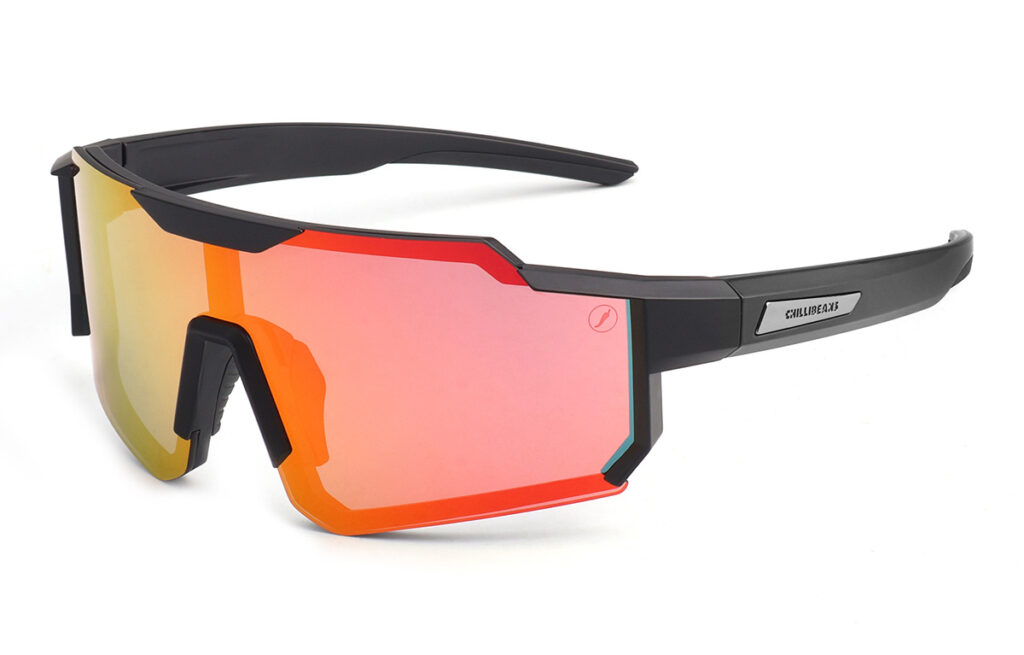
“Cool” depends on the customer, sales channel, and intended use. A minimalist everyday collection calls for different choices from a festival-focused range or a sport-inspired fashion line.
Define that audience before choosing styles. For a closer look at how one silhouette can serve different collection positions, see Zhantai’s guide to classic versus fashion aviator sunglasses for women.
How to Choose Frames: Shape, Material, and Construction
Choose frames by assessing their appearance, material specification, and assembly as one complete product.
Compare Classic and Expressive Shapes
Aviators, squares, rounds, ovals, cat-eyes, and wraparound designs each provide a different visual starting point. However, no shape guarantees broad appeal or strong sales.
Face-shape guidance can help customers explore options, but it should remain flexible. Actual dimensions, bridge contact, and personal preference matter more than rigid styling rules.
For a concrete product reference, review Zhantai’s OEM rectangle plastic sunglasses, then assess whether that silhouette and specification suit your collection.
Separate Material Choice from Finished Quality
Acetate, injection-molded plastic, and metal describe different material and construction options. They do not establish a universal quality ranking.
For acetate frames, examine shaping, polishing, and hinge installation. For molded plastic, review the specified resin, molded surfaces, alignment, and component attachment. For metal, examine joints, surface treatment, and frame symmetry.
The material name is a starting specification; the finished sample shows how well the design has been executed.
Inspect What Photographs Cannot Show
Open and close both temples to assess movement and consistency. Examine the lens-to-frame interface, touch the inner edges, and check for loose components or uneven assembly.
These checks help identify sample issues. They do not replace appropriate durability, optical, or other performance testing. Agree separately on how production goods will be inspected against the approved sample.
Frame Comparison Table: What Should Buyers Evaluate?
Frame options should be compared through design requirements, construction checks, and cost drivers rather than broad “premium” or “budget” labels.
| Frame option | Design considerations | Sample checks | Cost factors to discuss |
| Acetate | Thickness, patterns, shaping, polished appearance | Finished weight, bridge geometry, edge finish, hinge installation | Material specification, machining, polishing, hardware |
| Injection-molded plastic | Molded geometry, colors, surface decoration | Mold marks, alignment, specified flexibility, hinge attachment | Resin, tooling, quantity, surface treatment |
| Metal | Rim profile, bridge design, metallic finish | Joint quality, symmetry, coating, nose-pad assembly where fitted | Alloy, joining process, plating or coating, hardware |
| Mixed-material construction | Coordination of textures, colors, and components | Connection points, balance, assembly consistency | Component count, assembly work, finishing complexity |
How to Interpret the Comparison
There is no reliable fixed price relationship across all designs. A complex molded frame with special hardware and several finishing operations may cost more than a simpler alternative in another material.
Ask suppliers to quote the same lens specification, packaging, quantity, and quality requirements. Otherwise, an apparent saving may reflect a different product.
How Lenses Influence Appearance and Performance
Lenses determine the sunglasses’ visual effect and viewing characteristics, while protection claims require separate verification.
Evaluate UV Protection Separately from Darkness
Dark lenses do not provide UV protection. Neither a mirror appearance nor a particular lens color establishes how much ultraviolet radiation the lens blocks.
UCLA Health recommends sunglasses offering 100% UVA and UVB protection and explains that lens darkness and color do not determine UV performance. UCLA Health’s sunglasses guidance
For procurement, request test evidence relevant to the specified product and destination market. Confirm which lens material, treatment, and color variants the evidence covers. A sticker alone is not enough to assess a supplier’s claim.
Understand Polarized and Non-Polarized Options
Polarized lenses reduce reflected glare from surfaces such as roads and water. However, polarization itself does not establish UV protection; those properties must be evaluated separately. UCLA Health
Choose polarization according to the customer’s intended use and product positioning. If selected, specify it clearly in the quotation and sample approval documents rather than assuming it is included.
Specify Tint and Surface Treatments Clearly
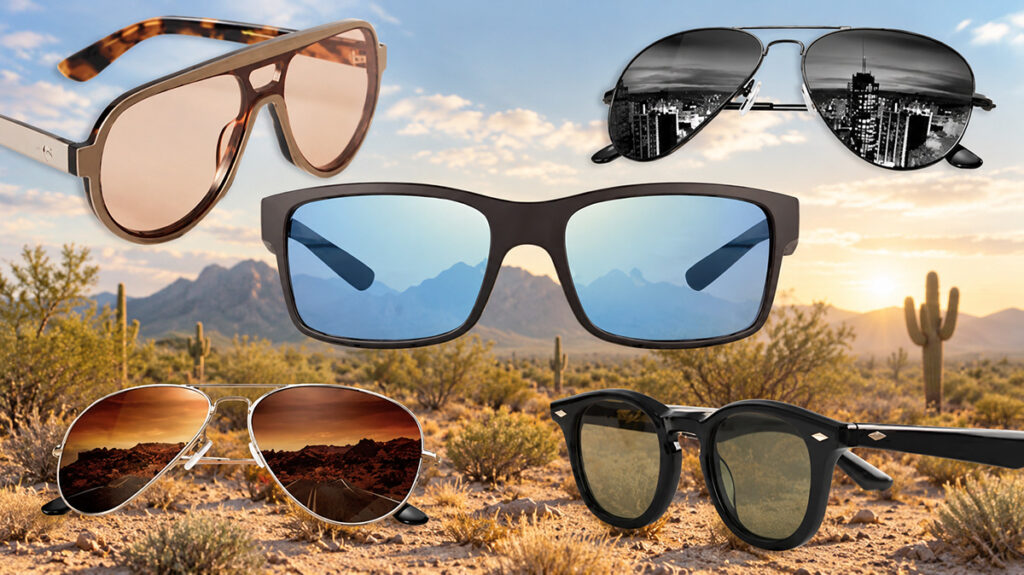
Solid tints provide a consistent color appearance across the lens. Gradient lenses vary in tint density, while mirror treatments change the reflected appearance of the surface. These features can also be combined with other lens properties.
Review both lenses together for consistent color and finish. Then assess the product’s optical performance through appropriate testing. An attractive tint cannot compensate for poor viewing quality.
Match Specifications to the Destination Market
The lens brief should identify material, tint, polarization, treatments, and relevant filter-category requirements. It should also state the intended use.
Confirm the applicable testing, labeling, and documentation requirements before approving production. A marketing term such as “UV400” does not, by itself, demonstrate that every market requirement has been satisfied.
Why Fit Can Make or Break Cool Sunglasses
Good fit keeps sunglasses stable and comfortable while preserving the intended proportions on the wearer’s face.
Use Frame Measurements as a Starting Point
Lens width, bridge width, and temple length provide useful reference dimensions. However, they do not describe the entire fit.
Overall frame width, front curvature, bridge shape, and temple geometry also affect the wearing experience. Two frames with identical printed measurements can therefore feel different.
Compare drawings and physical samples rather than selecting a fit solely from the numbers printed inside a temple.
Evaluate Contact Points and Balance
Check whether the bridge supports the frame without concentrated pressure. Assess whether the temples grip too tightly, spread excessively, or allow the product to slip.
Also examine cheek contact and the position of the frame during normal head movement. Where adjustable nose pads are fitted, assess their placement and adjustment range.
Total weight matters, but so does its distribution. A frame that carries too much weight at the front may feel different from a similarly weighted, better-balanced design.
Validate Fit with Representative Wearers
Use wear trials involving people representative of the intended customer group. Avoid defining fit only through broad demographic labels.
Record where slipping, pressure, or cheek contact occurs. Then translate feedback into specific changes to bridge geometry, overall width, temple shape, or component placement.
Repeat the assessment after changes. A revised drawing is useful, but the revised sample confirms the result.
Turning AI Sunglasses Concepts into Production-Ready Products
AI-generated eyewear concepts are a useful starting point, but turning them into physical sunglasses often requires adjustments to fit, construction, and manufacturing. A striking image may show an unusually thin frame, an oversized lens, or a sculptural temple without resolving how the hinges attach, how the frame holds the lenses, or how the product balances on the face. During development, some details may need to change to accommodate material properties, tooling, assembly, and the target cost. The goal is to preserve the design’s strongest features while making the product comfortable and practical to manufacture.
At Wenzhou Zhantai Glasses, we welcome customers’ ideas, including AI-generated concepts. Share your images and tell us which details matter most to your brand. We can help assess feasibility, explain the tradeoffs, and recommend adjustments before sample development. Your concept sets the creative direction; our manufacturing expertise helps turn it into a workable product. Contact Zhantai to discuss your design and OEM requirements.
How Brands Can Source Cool Sunglasses at a Competitive Cost
Turn the Style Concept into a Product Brief
Reference photographs communicate a visual direction, but they rarely define a production-ready product.
Add dimensions, materials, lens requirements, colors, branding placement, packaging, and order quantities. Identify the destination market and target budget. Separate essential features from optional upgrades so the supplier can discuss practical alternatives.
Understand What Drives the Quotation
Frame construction, lenses, hardware, finishing, customization, and packaging all influence the quoted price. New tooling may introduce a separate one-time cost.
Ask which charges apply once and which apply to each unit. Also confirm the quotation’s delivery terms and exclusions before comparing suppliers.
The best purchasing value is a product that meets the agreed requirements consistently at a workable total cost.
Follow a Clear Sample-to-Production Process
-
Define the specification. Confirm the design, components, dimensions, colors, lenses, packaging, and relevant testing requirements.
-
Review physical samples. Assess appearance, fit, assembly, and available performance evidence.
-
Approve a documented reference. Record the accepted sample and specification, including any agreed tolerances.
-
Set production acceptance criteria. Define inspection requirements and approval procedures for material or component changes.
-
Check the production order. Review goods and relevant documentation against the agreed requirements before shipment.
Bringing Frames, Lenses, and Fit Together
A commercially useful collection combines a clear style direction with verified specifications and repeatable production quality.
Start with the customer, then choose the silhouette and construction. Specify lens performance separately from appearance, validate fit, and document the approved product.
Wenzhou Zhantai Glasses Co., Ltd. focuses on cost-effective sunglasses manufacturing and practical production solutions. A detailed brief helps turn that positioning into a meaningful discussion about suitable designs, specifications, and quotation options.
FAQ: Common Questions from Sunglasses Buyers
What Information Should I Provide to Get an Accurate Wholesale Quote?
A useful quotation brief includes the design, materials, dimensions, lens specifications, colors, branding, packaging, quantity, and destination market. Include reference images or samples, your target budget, and required delivery timing. Ask the supplier to identify tooling charges and other exclusions separately.
Do Polarized Sunglasses Automatically Provide UV Protection?
No. Polarization reduces reflected glare, while UV protection is a separate lens property. Request relevant evidence for the specified lenses rather than inferring protection from the word “polarized.”
Can I Assess Sunglasses Quality from Product Photos Alone?
No. Photographs help assess appearance, but physical samples are needed to evaluate fit, finishing, alignment, and assembly. Optical performance and protection claims require appropriate test evidence.
Ready to develop your next collection of cool sunglasses? Contact Zhantai for the latest product catalog and a tailored OEM quotation. Share your reference styles, target quantity, lens requirements, destination market, and budget so our team can discuss practical options for your brand.