Comfortable, stylish womens sunglasses combine a suitable bridge, balanced frame geometry, appropriate lenses, and an appearance that fits the wearer’s daily wardrobe. For everyday use, they should stay stable without pinching, provide documented UV protection, and be convenient to carry when removed. Folding designs add a useful storage option, particularly for smaller bags. For wholesale buyers, the strongest selection process evaluates these qualities through physical samples, relevant testing, and clear production specifications rather than photographs alone.
Key Takeaways
A successful everyday collection balances wearing comfort, visual appeal, verified lens performance, and practical storage.
- Fit comes from the complete frame. Bridge shape, overall width, temple geometry, and weight distribution matter more than a “women’s” label alone.
- Style should suit the customer’s routine. Consider frame proportions, colors, and lens appearance alongside wardrobe preferences and intended use.
- Folding designs can simplify storage. Evaluate the folded dimensions, protective case, operating ease, and additional joints together.
- Wholesale value requires verification. Approve physical samples, review relevant lens-performance evidence, and document acceptance requirements before production.
What Makes Womens Sunglasses Comfortable for Everyday Wear?
Everyday comfort depends on stable support, balanced weight, and contact points that avoid excessive pressure.

Bridge Fit: Support Without Slipping or Pressure
The bridge helps determine where the frame sits and how its weight rests on the nose. A poor match can cause slipping, concentrated pressure, or an uneven position.
Fixed bridges and adjustable nose pads offer different fitting possibilities. Neither construction guarantees comfort. What matters is how the finished design contacts the intended wearer.
During sample evaluation, ask wearers to look down and turn their heads naturally. Note whether the frame shifts or needs frequent repositioning.
Frame Width and Temple Shape: Stability Without Pinching
Overall width and temple geometry influence how securely the frame stays in place. A narrow frame may create pressure at the sides, while an unsuitable wider design may feel unstable.
Printed lens width is useful, but it does not describe the whole frame. Bridge width, hinge placement, front curvature, and temple shape also affect fit.
Check the area behind the ears and whether the frame touches the cheeks during smiling. These details often reveal problems that front-facing photographs hide.
Weight Distribution: Why Lighter Is Not the Only Goal
A low total weight does not automatically produce a comfortable frame. A design can still concentrate pressure at the bridge or carry too much weight toward the front.
Compare samples through wear trials rather than applying a universal weight limit. Record where discomfort occurs and discuss specific changes with the manufacturer.
Comfort is a result to validate on the finished product, not a conclusion to draw from the material name.
Which Styles Work Well in an Everyday Collection?
Oval, Square, Cat-Eye, and Aviator Frames
Oval frames can create a restrained appearance, while deeper square frames offer stronger visual presence. Cat-eye designs introduce an upswept outline, and aviators emphasize the bridge and lens shape.
However, proportion changes the effect within every category. A subtle cat-eye and an exaggerated version should not be treated as interchangeable products.
Face-shape advice can help customers explore options, but actual fit and personal preference remain essential. For another comparison within a familiar silhouette, see Zhantai’s guide to classic versus fashion aviator sunglasses for women.
Black, Tortoiseshell, and Translucent Neutrals
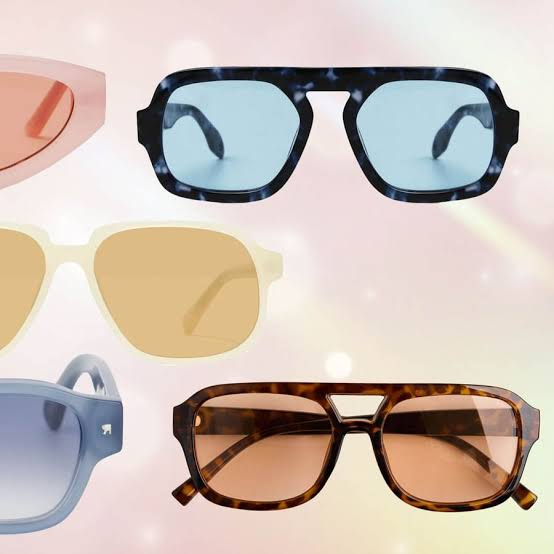
Color can refresh a familiar frame without changing its outline. Black creates a defined appearance, while translucent brown or muted neutral colors can make the same geometry look visually softer.
Tortoiseshell requires more precise discussion. Closely packed dark markings produce a different effect from larger, irregular patches with translucent amber areas. Both can have a place in a collection.
For procurement, specify base color, pattern density, contrast, and translucency. Approve physical samples under consistent lighting because background and illumination can change how a pattern appears.
Lens Appearance and Frame Details
Solid and gradient tints offer different visual effects. Decorative hardware, temple thickness, and surface finish also influence the overall character.
Keep the combination coherent. A restrained frame may need little decoration, while a statement design may benefit from a deliberately prominent detail.
Appearance and lens performance must still be specified separately. A pleasing tint does not establish protective or optical quality.
Folding Womens Sunglasses: A Practical Option for Compact Storage
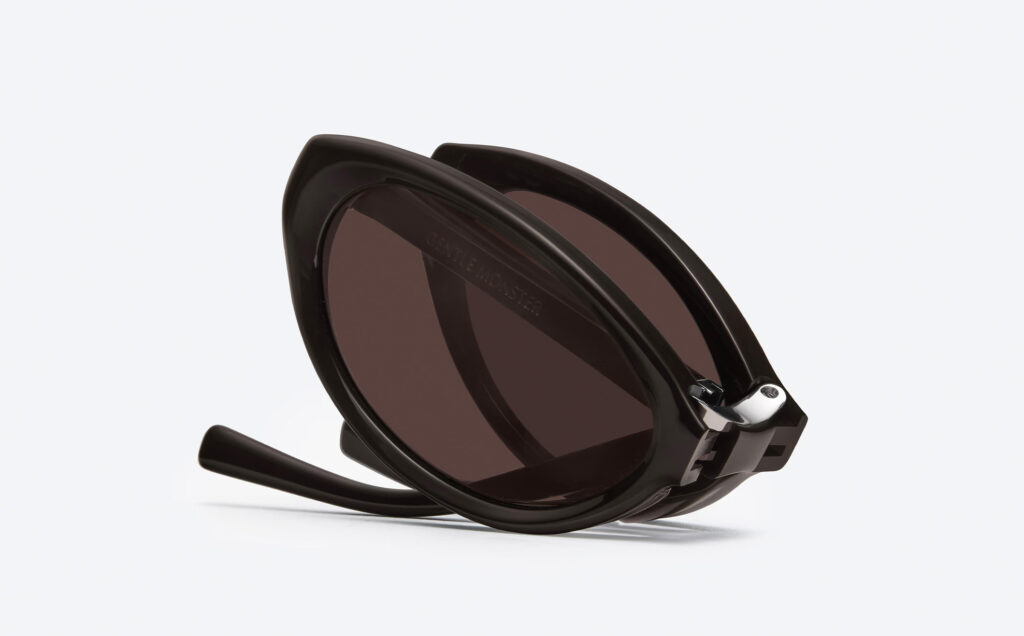
Folding sunglasses use additional joints to reduce their packed dimensions, making them worth considering when storage space is limited.
How Folding Designs Reduce the Storage Footprint
Conventional sunglasses close at the temple hinges. Folding designs introduce additional articulation, which may be located at the bridge, along the temples, or both.
The concept is established rather than newly invented. For example, Ray-Ban’s Wayfarer Folding Classic is presented as a portable folding design.
For a new collection, assess the actual product rather than assuming a fixed size reduction. Measure the folded frame together with its case. A compact frame inside an unnecessarily bulky case may deliver little practical advantage.
Where Compact Storage Adds Everyday Value
Imagine a customer moving between a sunny street and an indoor café. A folding pair with a suitably compact case may be easier to place in a small handbag.
The same benefit can matter during commuting or travel, where sunglasses share limited space with other belongings. However, folding should make handling convenient as well as reduce dimensions.
The useful selling point is compact, protected storage that works in the customer’s routine.
Evaluate Folding Ease, Alignment, and Lens Clearance
Additional joints create additional inspection points. Assess whether the folding sequence is intuitive and whether each joint operates with consistent resistance.
After unfolding, check frame alignment and fit. When packed, inspect whether lenses can contact hardware or other surfaces that could cause damage.
Clear operating instructions are useful, especially when the frame must be folded in a particular sequence.
Check Durability and Cost Before Adding the Style
Agree on repeated-operation testing and acceptance criteria appropriate to the design. Do not assume that every folding mechanism performs equally or that one cycle-count claim applies to all constructions.
Additional parts and assembly operations may affect price. Compare the complete specification, including the case, before deciding whether compact storage justifies the cost for your customers.
Standard vs. Folding Sunglasses: A Buyer’s Comparison
Standard and folding constructions should be compared through storage dimensions, handling, alignment, protection, and complete purchasing cost.
| Comparison factor | Standard construction | Construction with additional folding joints | Buyer check |
| Storage | Temples close against the frame | Additional folds can reduce packed dimensions | Measure the product inside its proposed case |
| Operation | Conventional temple opening and closing | Additional folding and unfolding steps | Assess ease of use and instructions |
| Alignment | Front and temple alignment require inspection | Folding-joint alignment also requires inspection | Review the fully unfolded frame |
| Protection | Case must fit and protect the product | Folded components need suitable clearance | Check lens, frame, and hardware contact |
| Cost | Depends on the complete specification | Additional joints may affect parts and assembly costs | Compare equivalent configurations |
| Wearing comfort | Depends on geometry and weight distribution | Still depends on geometry and weight distribution | Conduct representative wear trials |
A folding mechanism does not automatically make a product better or worse. Choose it when its practical benefits match customer needs and the sample meets the agreed requirements.
Choose Lenses for Everyday Use
Verify UV Protection Independently
Dark or mirrored lenses do not prove UV protection. UCLA Health recommends sunglasses offering 100% UVA and UVB protection and explains that lens color and darkness do not determine UV performance. UCLA Health’s sunglasses guidance
For a wholesale order, request relevant evidence for the specified lenses. Confirm which product and configurations the documentation covers.
A protective claim should be supported by appropriate product evidence, rather than inferred from a sticker or photograph.
Decide Whether Polarization Fits the Intended Use
Polarization reduces reflected glare from surfaces such as roads and water. It does not independently establish UV protection. UCLA Health
Specify polarization where it supports the intended use and product positioning. If customers rely on particular displays, include visibility checks with those screens during evaluation.
Confirm Tint, Optical Quality, and Market Requirements
Review tint consistency between lenses and request appropriate optical testing. Confirm relevant filter-category information, labeling, and use limitations for the destination market.
Avoid treating “everyday wear” as permission for every activity. Requirements should reflect the product’s intended use, and any restrictions should be communicated clearly.
How Wholesale Buyers Should Evaluate Samples
A repeatable sample review checks the product against written requirements for appearance, fit, function, storage, and performance evidence.
Compare Samples Against a Written Brief
When sourcing womens sunglasses, define the customer and specification before judging whether a sample is suitable.
Include dimensions, materials, lenses, colors, branding, and packaging. For folding products, add packed dimensions, joint requirements, and case compatibility.
A published product specification can help structure the discussion. Zhantai’s OEM rectangle plastic sunglasses page, for example, identifies frame and lens materials that buyers can discuss alongside fit and appearance.
Conduct Wear and Storage Trials
Use representative wearers and record specific observations. “Uncomfortable” is less useful than “pressure behind the right ear” or “slips when looking down.”
For folding samples, repeat the intended packing sequence and check whether the product fits the case without forcing components into position.
Approve the Sample and Production Criteria
- Review the specification. Confirm design, dimensions, components, lenses, packaging, and relevant testing requirements.
- Assess physical samples. Evaluate appearance, fit, assembly, operation, and storage.
- Resolve revisions. Translate feedback into specific changes and review updated samples.
- Document final approval. Identify the reference sample, tolerances, and rules for substitutions.
- Inspect production. Check goods and relevant documentation against the agreed requirements.