When choosing sunglasses, style and comfort often come first.
However, the most important function of any sunglasses is protecting your eyes from harmful ultraviolet radiation.
For this reason, uv protection sunglasses play a vital role in daily eye safety. Without proper UV protection, sunglasses may reduce glare but still allow dangerous radiation to reach the eyes.
Understanding UV400 protection becomes essential for both consumers and professional buyers and learning about international testing standards helps distinguish real protection from marketing claims.
So the informed shoppers can confidently select truly effective uv protector sunglasses instead of relying on appearance alone. When purchasing sunglasses, it is especially important to check whether they meet the UV400 protection standard.
Why Choosing UV Protection Sunglasses Is Important
The Harmful Effects of UVA and UVB on the Eyes
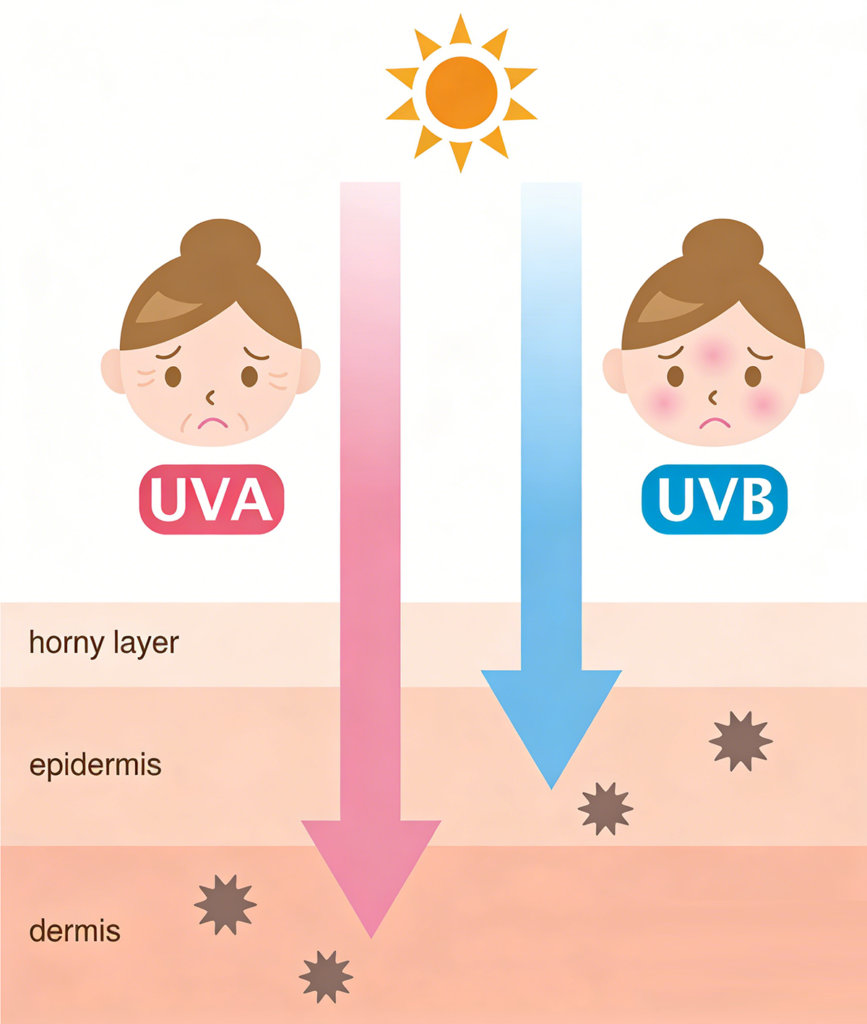
Ultraviolet radiation from the sun is invisible to the human eye, yet its long-term effects on eye health can be serious. Over time, continuous exposure to UVA and UVB rays significantly increases the risk of irreversible eye damage.
For example, medical research links UV exposure to cataracts, photokeratitis, macular degeneration, and permanent retinal damage. So wearing uv protection of sunglasses becomes essential for maintaining long-term visual health. Unlike skin, the eyes do not provide immediate warning signs when ultraviolet damage occurs. Many people underestimate daily UV exposure during routine outdoor activities.
The uv protection sunglasses are necessary not only in strong sunlight but also in cloudy or indirect light conditions.
What Are UV400 Protection Sunglasses?
UV400 protection sunglasses are designed to block ultraviolet radiation with wavelengths up to 400 nanometers. They effectively cover both UVA and UVB rays responsible for eye damage. This protection level represents the highest commonly recognized UV defense used in modern sunglasses.Therefore, many international testing standards adopt UV400 as a baseline requirement for certified products. When consumers choose UV400 lenses, they gain reliable protection supported by recognized industry benchmarks.
What Is UV400?
Types of Ultraviolet Radiation and Their Impact on the Eyes
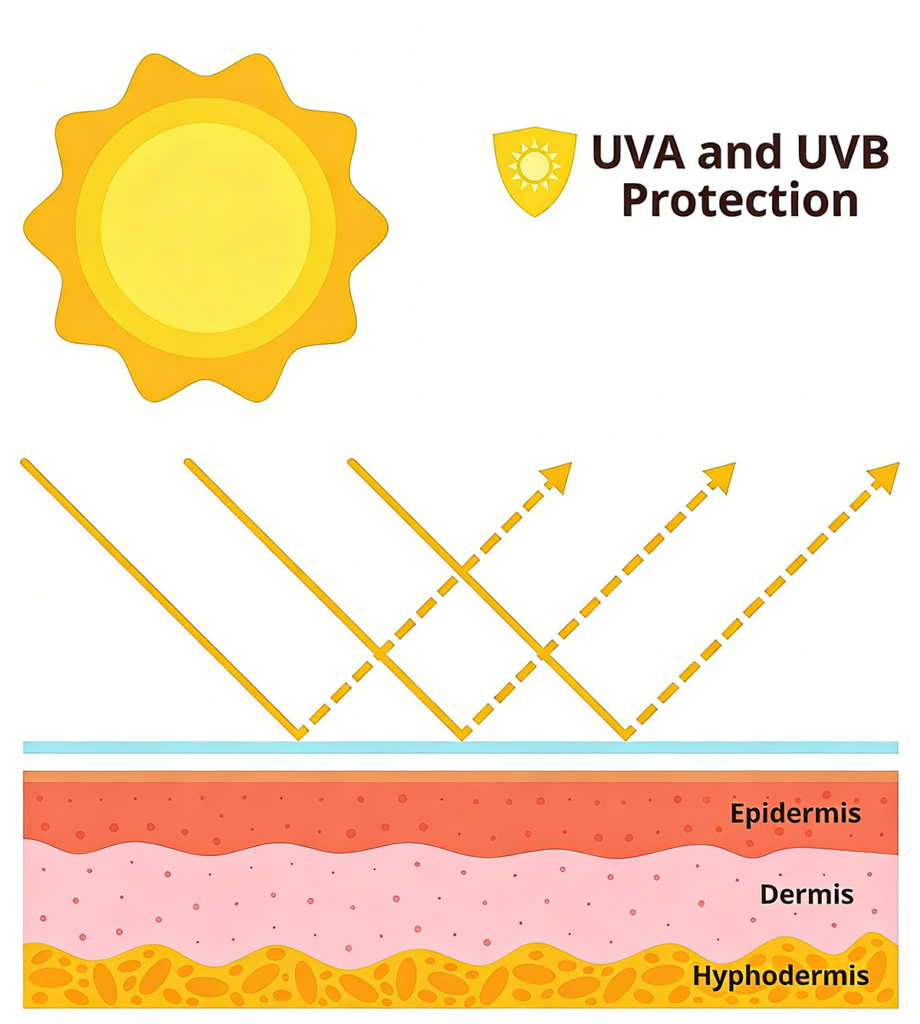
- UVA (315–400 nm): Penetrates deeply into the eye and contributes to long-term damage such as cataracts and retinal aging.
- UVB (280–315 nm): More energetic and responsible for acute eye damage, including photokeratitis.
- UVC (100–280 nm): Mostly absorbed by the Earth’s atmosphere and does not reach the surface.
Among these, UVA and UVB pose the greatest threat to eye health, which is why effective uv protection sunglasses must address both.
Why UV400 Protection Is Critical
UV400 protection ensures coverage across the entire UVA and UVB spectrum. It prevents harmful ultraviolet radiation from reaching sensitive eye tissues. Sunglasses that fail to meet this standard may reduce visible brightness without blocking ultraviolet rays. The eyes may still absorb UV radiation despite reduced glare. For this reason, consumers should look beyond comfort and appearance when selecting sunglasses.Choosing certified uv protector sunglasses helps ensure real protection during daily outdoor exposure.
Definition of UV400
UV400 refers to the ability of lenses to block ultraviolet radiation with wavelengths up to 400 nanometers.This range includes both UVA and UVB rays known to cause cumulative eye damage. Many people believe darker lenses offer better UV protection, but this belief is incorrect.
Lens color and darkness do not determine UV performance or safety. Only tested and certified uv protector sunglasses can reliably deliver effective ultraviolet protection.
UV Protection Sunglasses Testing Standards in the United States
ANSI Z80.3 Standard
ANSI Z80.3 is the primary U.S. standard for non-prescription sunglasses.
Key testing requirements include:
- UV transmittance limits to ensure effective UVA and UVB blocking
- Optical clarity and visual performance
- Lens uniformity and distortion control
Manufacturers use this standard to verify whether uv protection sunglasses meet recognized safety and performance benchmarks.
FDA (U.S. Food and Drug Administration) Requirements
In the U.S., sunglasses are regulated as medical devices.
- Mandatory impact resistance testing (drop-ball test)
- Material safety and durability requirements
While FDA regulations focus primarily on physical safety, UV protection claims must be supported by laboratory test data, especially when marketing uv protector sunglasses.
How to Identify Compliant UV Protector Sunglasses (U.S. Market)
Consumers should look for:
- UV400 or 100% UV protection labeling
- ANSI Z80.3 compliance references
- FDA conformity statements from manufacturers
UV Protection of Sunglasses Standards in Europe
EN ISO 12312-1 Standard
EN ISO 12312-1 is the mandatory European standard for sunglasses intended for general use.
The standard evaluates:
- Ultraviolet radiation transmittance
- Visible light transmission
- Optical quality and mechanical strength
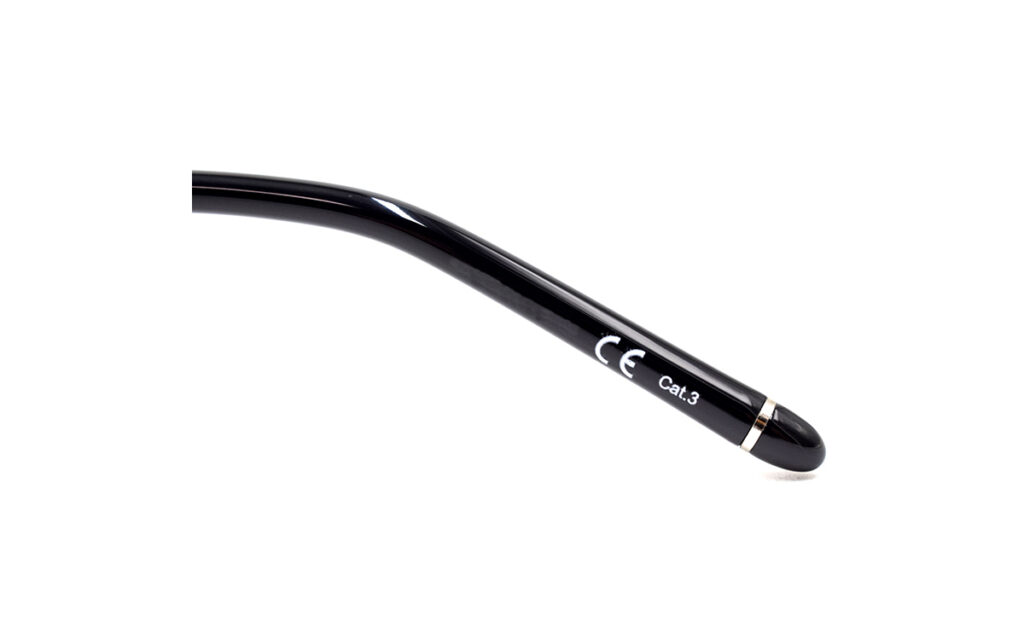
It also categorizes lenses based on visible light transmission into Filter Categories (CAT 0–4).
UV Transmittance and Lens Filter Categories
- CAT 0–1: Light tint, limited glare reduction
- CAT 2–3: Moderate to high glare reduction, common for daily use
- CAT 4: Very dark lenses for extreme conditions (not suitable for driving)
All compliant categories must meet UV protection requirements, making EN ISO 12312-1 a core reference for uv protection of sunglasses in Europe.
The Importance of the CE Mark
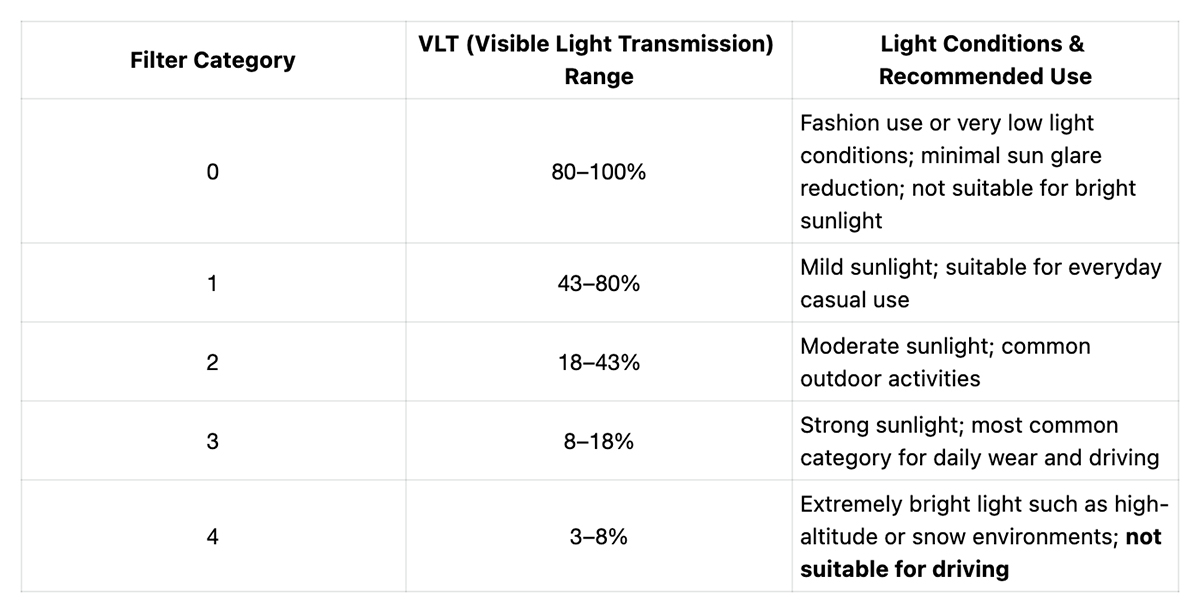
The CE mark indicates that sunglasses comply with European health, safety, and environmental regulations. For uv protection sunglasses, the CE mark confirms that UV filtering performance has been tested according to EN ISO standards.
How to Determine Compliance in Europe
- Lens category marking (CAT 0–4)
- CE marking on the frame or packaging
- Manufacturer and usage information included with the product
UV Protection Standards in Australia
Mandatory Safety Standard
Australia enforces the Consumer Goods (Sunglasses and Fashion Spectacles) Safety Standard, which is legally mandatory.
- Requires protection across the 280–400 nm UV range
- Applies to both sunglasses and fashion spectacles
This reflects Australia’s high UV exposure environment and strict consumer safety approach.
AS/NZS 1067.1:2016 Standard
This joint Australian and New Zealand standard specifies:
- UV transmittance testing
- Optical performance requirements
- Mechanical durability
Compliance ensures that uv protector sunglasses provide reliable UV protection under strong sunlight conditions.
Lens Categories and Usage Recommendations
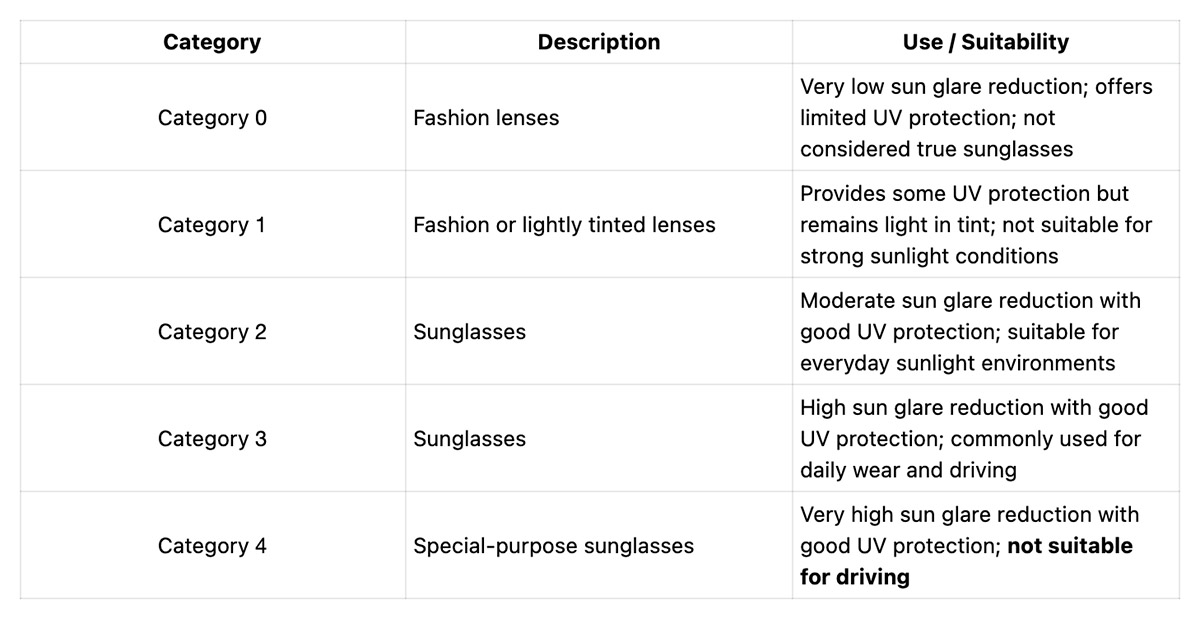
Australia also uses Category 0–4 classifications, similar to Europe.
- Category 2 and 3 are recommended for everyday UV protection
- Category 4 is reserved for extreme environments such as snowfields and deserts
How to Choose Truly Effective UV Protector Sunglasses
Selecting effective uv protector sunglasses requires attention to verified protection rather than appearance alone. Consumers should focus on performance indicators that confirm real ultraviolet safety.
What to Look for on the Label
1.check for clear UV400 or 100 percent UV protection claims on the product label.
2. look for references to recognized testing standards such as ANSI, CE, or AS NZS certifications.
3.Equally important, the manufacturer should provide transparent compliance and product safety information.
These details help confirm that the uv protection of sunglasses meets established international requirements.
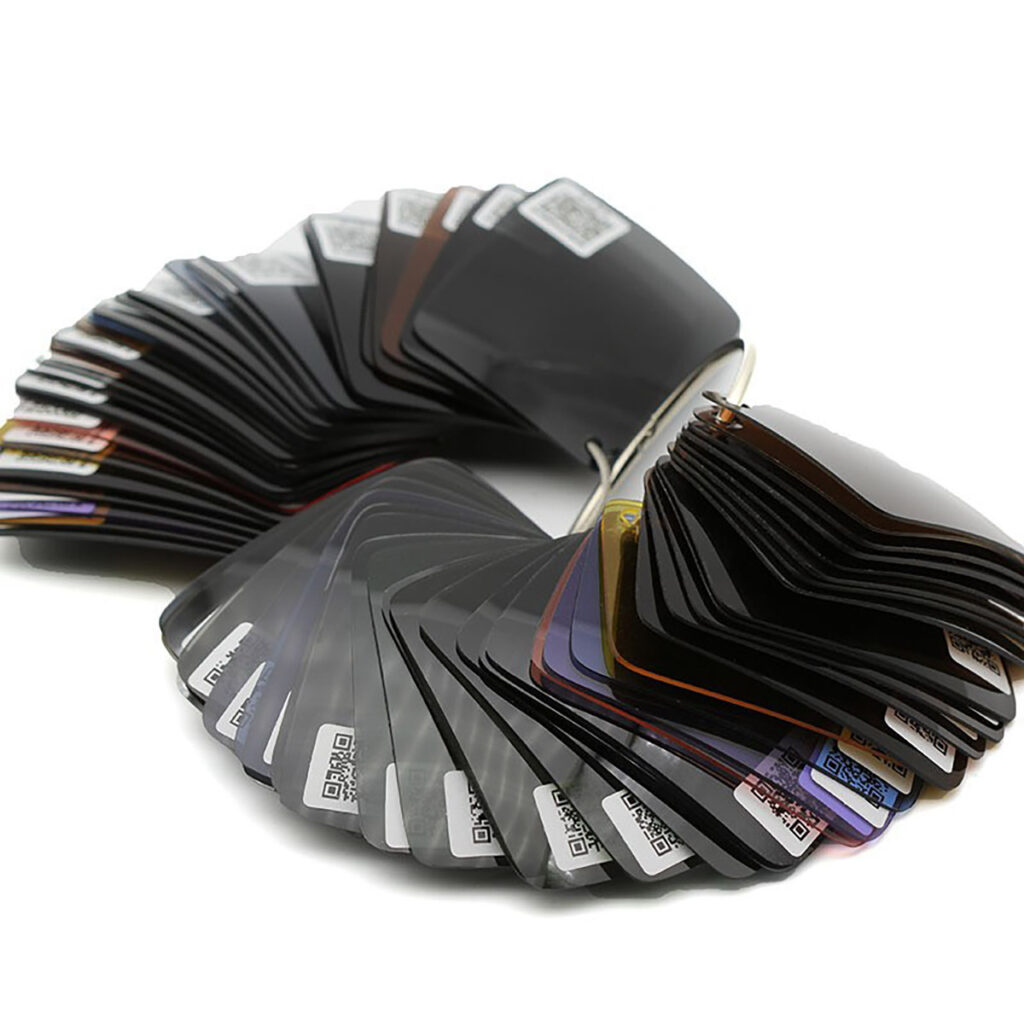
Laboratory Testing vs. Marketing Claims
Not all products labeled UV protection provide reliable eye safety. Authentic uv protection sunglasses rely on laboratory testing rather than lens color or darkness. Dark lenses without UV filtering may cause pupils to dilate, allowing more harmful radiation to enter the eyes.
And the uncertified sunglasses can pose greater risks than wearing no sunglasses at all.
Recommended Sunglasses for Different Scenarios
For everyday outdoor activities, Category 2 or Category 3 UV400 sunglasses offer balanced comfort and protection. In high UV environments, choose certified UV400 sunglasses with wraparound designs for enhanced coverage. Such designs reduce peripheral light exposure, making them ideal for beaches, high altitudes, and snow-covered areas.
True eye protection depends on verified performance, not appearance. By understanding UV400 protection and global testing standards in the United States, Europe, and Australia, consumers and buyers can confidently select uv protector sunglasses that deliver real uv protection of sunglasses. Whether for daily wear or extreme environments, certified uv protection sunglasses are an essential investment in long-term eye health.