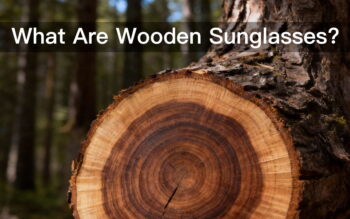
Wooden sunglasses have become increasingly popular in recent years as consumers look for eyewear that combines natural aesthetics, sustainability, and individuality. Compared with plastic or metal frames, wood sunglasses offer a warmer look and a more organic wearing experience, making them a unique choice in the global eyewear market.
This article explains what wooden sunglasses are made of, how they are manufactured, their advantages and limitations, and why more brands are working with a professional wooden sunglasses manufacturer to develop custom collections.
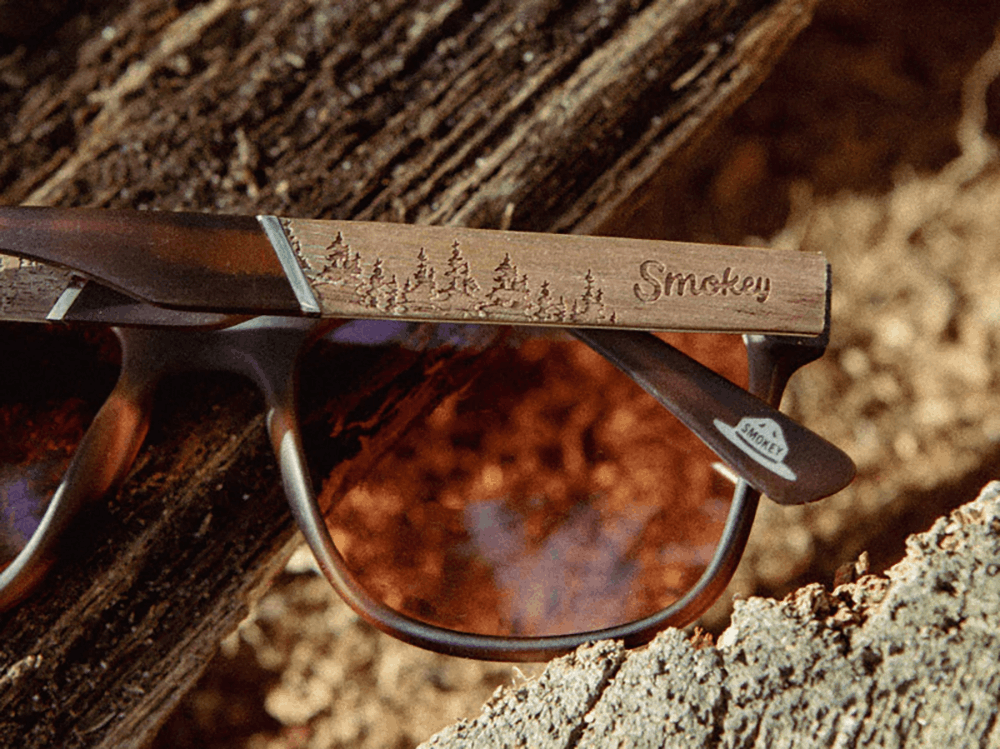
What Are Wooden Sunglasses Made Of?
Wooden sunglasses are typically made from carefully selected natural wood materials. Different wood species offer distinct visual characteristics, weight, durability, and wearing comfort, which directly influence how the sunglasses look and feel in daily use.
Common Wood Materials Used in Wooden Sunglasses
Bamboo
Lightweight, fast-growing, and eco-friendly, bamboo is one of the most commonly used materials, especially in casual and outdoor collections.

-
Extremely lightweight, reducing pressure on the nose and ears
-
Highly renewable and environmentally friendly
-
Naturally flexible compared to many hardwoods
-
Less dense than hardwoods, which may reduce long-term durability
-
More sensitive to moisture if not properly treated
-
Texture is simpler compared to luxury hardwoods
Feel: Bamboo sunglasses feel very light and smooth on the skin, making them comfortable for long hours of wear, especially in warm climates.
Walnut
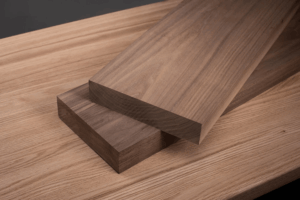
Known for its deep brown tone and elegant grain, walnut is widely used in mid- to high-end wood sunglasses.
-
Rich, natural color with premium visual appeal
-
Good dimensional stability, less prone to warping
-
Balanced strength and weight
-
Heavier than bamboo
-
Higher material and processing cost
-
Requires careful finishing to avoid surface scratches
Feel: Walnut frames feel solid yet comfortable, offering a sense of quality without being overly heavy on the face.
Maple
Light-colored with fine texture and good hardness, maple wood is often used for clean, minimalist wooden frame designs.

-
High hardness and good wear resistance
-
Smooth, fine grain suitable for modern aesthetics
-
Holds shape well over time
-
Slightly heavier than walnut and bamboo
-
Lighter color may show dirt or wear more easily
-
Less dramatic grain pattern
Feel: Maple sunglasses feel firm and smooth, with a clean, polished touch that appeals to users who prefer understated design.
Ebony
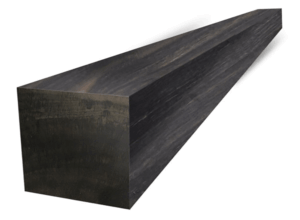
Dense, dark, and luxurious, ebony is typically used for premium or statement wooden sunglasses.
-
Extremely dense and durable
-
Naturally dark color with a luxury appearance
-
Strong resistance to wear and deformation
-
Significantly heavier than most other woods
-
More difficult and costly to machine
-
Less flexible, requiring precise engineering
Feel: Ebony sunglasses feel substantial and solid, conveying a strong sense of luxury, though they may feel heavier during extended wear.
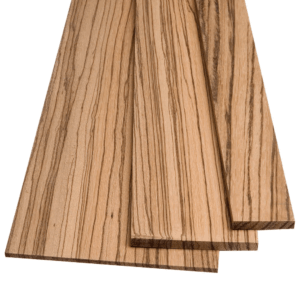
Zebrawood
Characterized by bold striped grain patterns, zebrawood is popular in fashion-forward wood sunglasses.
-
Highly distinctive appearance with dramatic contrast
-
Good hardness and durability
-
Each frame has a unique visual identity
-
Heavier than bamboo and maple
-
Grain pattern may limit design versatility
-
Requires advanced coating to resist moisture
Feel: Zebrawood frames feel dense and structured, with a noticeable presence on the face that suits statement designs.
Reclaimed / Recycled Wood
Sourced from reused wood materials, reclaimed wood emphasizes sustainability and individuality.
-
Strong eco-friendly and sustainability appeal
-
Each frame is truly one of a kind
-
Adds storytelling and emotional value to the product
-
Material consistency can vary
-
Requires additional processing and quality control
-
Limited availability depending on wood source
Feel: Reclaimed wood sunglasses often feel wooden textured and organic, offering a more handcrafted and authentic wearing experience.
Are Wooden Sunglasses 100% Wood?
Common Structural Types of Wooden Sunglasses
-
Wood frame fronts combined with acetate or metal inner layers In this structure, a thin layer of natural wood is applied to the outer surface of the frame front, while the inner core is made of acetate or metal. This design preserves the natural wood appearance while improving flexibility, impact resistance, and long-term stability.
-
Wood temples (arms) paired with acetate or metal fronts The temples are often the most visible area for wood design. Wooden temples create a strong visual identity and natural feel, while acetate or metal fronts provide better lens holding strength and nose fit.
-
Multi-layer laminated structures Multiple layers of wood, sometimes combined with carbon fiber or acetate, are bonded together under high pressure. This laminated structure significantly enhances strength and reduces the risk of cracking or warping.

Wood Decorative Elements in Sunglasses Design
In addition to structural components, wood is frequently used as a decorative accent rather than a load-bearing material.
- Wood veneer overlays Thin sheets of real wood are bonded to the frame surface, allowing for precise control of thickness and weight while showcasing natural grain patterns.
- Wood inlays and inserts Small wooden inserts are embedded into acetate or metal frames, often around the temples, hinges, or bridge area. These details add a premium, handcrafted touch without compromising durability.
- Laser-engraved wood details Logos, patterns, or branding elements can be laser-engraved directly onto wooden parts, enhancing customization options for private-label brands.
- Natural grain alignment High-end wood sunglasses carefully align wood grain direction across the frame and temples, creating a cohesive and refined visual effect.
Most professional wood sunglasses factories rely on these hybrid structures and decorative techniques to balance natural aesthetics, structural reliability, and wearing comfort, making wooden sunglasses suitable for everyday use while maintaining their unique appeal.
How Are Wooden Sunglasses Made?
Producing high-quality wooden sunglasses requires a precise balance of industrial accuracy and skilled handcrafting. Unlike plastic frames, wood is a natural material that reacts to moisture, temperature, and pressure, making process control essential at every stage.
Wood Selection and Drying Treatment
Before manufacturing begins, raw wood must go through a controlled drying and stabilization process.
- Kiln drying or climate-controlled air drying is used to gradually reduce moisture content to an optimal level suitable for eyewear production.
- Humidity control during storage prevents re-absorption of moisture before machining.
- Anti-crack and anti-warp treatments help stabilize wood fibers and reduce internal stress.
- Moisture-resistant pre-processing improves long-term dimensional stability.
- Sustainably sourced materials, often FSC-certified, are selected to meet environmental and compliance standards.
Professional wooden sunglasses manufacturers closely monitor drying time and humidity levels, as improper drying is one of the main causes of cracking or deformation later in the product’s life cycle.
Frame Manufacturing Process
Once stabilized, the wood enters the frame production stage.
CNC cutting ensures precise shaping of the frame front and temples, maintaining tight tolerances for lens fitting. Multi-layer lamination bonds thin wood layers together—sometimes combined with acetate, carbon fiber, or metal cores—to enhance strength and flexibility. Grain direction alignment is carefully controlled to improve structural integrity and visual consistency.
This structured approach allows wood sunglasses factories to achieve both durability and repeatable quality.
Sanding and Surface Smoothness Control
Achieving a comfortable wearing experience requires meticulous surface finishing.
Multi-stage sanding, from coarse to ultra-fine grit, removes tool marks and uneven edges. Hand sanding is often used in final stages to soften contact areas such as the nose bridge and temples. Surface flatness and smoothness checks ensure the frame feels natural against the skin, without sharp edges or rough textures.
High-quality wooden sunglasses should feel smooth, warm, and skin-friendly, without compromising the natural wood texture.
Sealing, Coating, and Protection
Wood must be properly sealed to withstand real-world use.
Wood sealing treatments close surface pores to prevent moisture penetration. Water-resistant and sweat-resistant coatings protect against humidity, perspiration, and daily wear. Anti-deformation finishing layers help frames maintain shape under temperature changes. Multiple thin coating layers are often applied and cured to ensure long-lasting protection.
This step is critical for making wooden sunglasses suitable for outdoor and everyday environments.
Coloring, Staining, and Surface Enhancement
Depending on design requirements, wooden sunglasses may undergo additional visual treatments. Natural oil finishes enhance the wood grain while preserving a raw, organic look. Wood staining or dyeing allows manufacturers to achieve deeper, more consistent tones without hiding natural texture. Color matching control ensures uniform appearance across production batches.
These processes allow brands to customize their wood sunglasses collections while retaining a natural aesthetic.

Laser Engraving and Custom Details
For branding and customization, many wooden sunglasses factories use laser engraving technology. Logos, text, or decorative patterns can be engraved directly onto wood surfaces. Laser engraving offers high precision without damaging surrounding material. Common engraving areas include temples, inner arms, or decorative inlays.
This process is especially popular for custom wooden sunglasses, private labels, and gift-oriented collections.
Final Inspection and Quality Control
-
Visual inspection for cracks, coating defects, or color inconsistencies
-
Structural checks for alignment and hinge stability
-
Surface feel inspection to ensure comfort and smoothness
Only frames that meet strict standards move forward to lens assembly and final packaging.
Pros and Cons of Wooden Sunglasses
Pros of Using Wood for Sunglasses
-
No two frames are exactly the same due to natural, unique wood grain
-
Eco-friendly and sustainable material choices
-
Lightweight and comfortable when properly designed
-
Strong visual differentiation for eyewear brands
Cons of Using Wood for Sunglasses
-
Less flexible than metal frames
-
Sensitive to prolonged exposure to water or extreme heat
-
Higher manufacturing complexity compared with injection plastic frames
-
Requires proper care from end users
High-Quality Wooden Sunglasses Brands and Styles
-
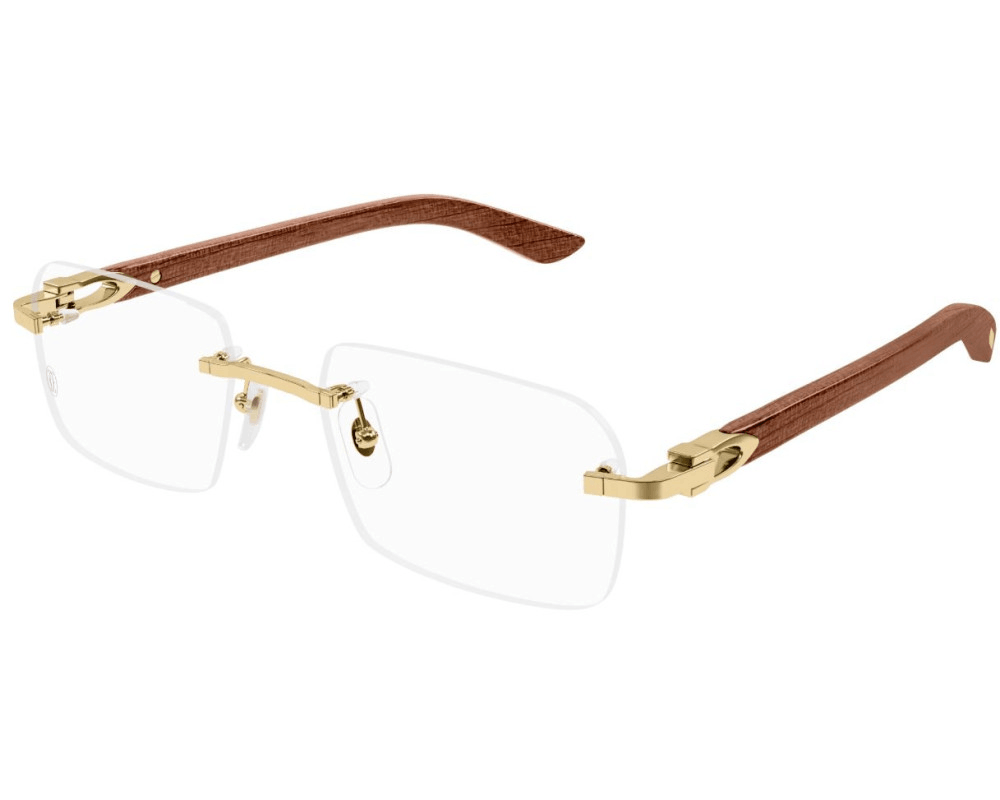
Cartier – Certain rimless and luxury eyewear designs feature wood-inspired or wood-accent elements, highlighting exclusivity and craftsmanship.
-
Shwood – Often regarded as one of the most iconic wooden sunglasses brands, Shwood is known for handcrafted frames that blend wood with modern materials.
-
Woodies – Focuses on casual, everyday wooden sunglasses with accessible pricing, making wood sunglasses more approachable to mainstream consumers.
Are Wooden Sunglasses Durable?
Water and Heat Resistance
-
Proper sealing improves moisture resistance
-
Long exposure to water or high heat should still be avoided
-
Wooden sunglasses are best removed before swimming or sauna use
How Long Do Wooden Sunglasses Last?
-
High-quality wooden sunglasses can last several years
-
Laminated structures significantly improve durability
-
Suitable for daily wear when properly cared for
How to Care for Wooden Sunglasses
-
Avoid soaking in water
-
Wipe dry after use, especially after sweating
-
Store in a protective case
-
Apply wood care oil periodically if recommended by the manufacturer
Storage Time and Sales Cycle of Wooden Sunglasses
-
Properly stored wooden sunglasses have a long shelf life
-
Dry, temperature-controlled storage is recommended
-
Sales cycles are typically seasonal, with strong demand in spring and summer
Who Should Wear Wooden Sunglasses?
-
Environmentally conscious consumers
-
Outdoor, travel, and beach users
-
People who prefer niche, natural, or handcrafted styles
-
Gift markets, including custom wooden sunglasses
Custom & Wholesale Wooden Sunglasses
OEM / ODM Wooden Sunglasses Options
-
Wood type selection
-
Lens options (polarized, UV400, mirrored)
-
Laser-engraved logos
-
Custom packaging and branding
An Alternative Option: Wood-Grain Injection Sunglasses
-
Lower cost
-
Higher consistency
-
Easier mass production
Conclusion
Wooden sunglasses offer a unique balance of natural beauty, sustainability, and brand differentiation. When produced by an experienced wooden sunglasses factory, they can be durable, comfortable, and commercially viable.
For brands looking to stand out in a competitive eyewear market, partnering with a reliable wooden sunglasses manufacturer is a strategic step toward building distinctive and meaningful product lines.