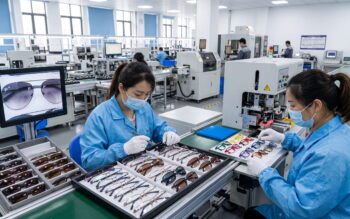
The global optical industry is undergoing a massive transformation. For decades, the traditional eyewear supply chain relied heavily on virgin plastics, generating significant industrial waste and contributing to the global plastic crisis. However, modern consumers demand change. Today’s buyers actively research the environmental footprint of the products they purchase, forcing retail brands, wholesale distributors, and optical shops to rethink their sourcing strategies.
To meet this booming demand for sustainability, forward-thinking brands are turning to a revolutionary material: rPET. Sourcing recycled plastic glasses frames has evolved from a niche marketing tactic into a core business necessity.
For B2B buyers and product managers, understanding the mechanics of this sustainable material and finding the right rPET eyewear manufacturer is the key to future-proofing your optical catalog. Let’s explore how rPET transforms discarded waste into premium eyewear, and why this eco-friendly shift is dominating the global market.
What Exactly is rPET? The Science of Sustainable Eyewear
To understand the value of these eco-friendly frames, you must first understand the material. rPET stands for Recycled Polyethylene Terephthalate.
Polyethylene Terephthalate (PET) is the highly durable, lightweight plastic that beverage companies use to make water bottles and soda containers. When consumers recycle these bottles, waste management facilities process them into rPET.
The transformation from a discarded water bottle to a high-end pair of glasses involves a meticulous, multi-step engineering process:
-
Collection and Sorting: Recycling facilities collect post-consumer plastic bottles and rigorously sort them, removing caps, labels, and non-PET plastics.
-
Shredding and Washing: Industrial machines shred the sorted bottles into tiny flakes. Heavy-duty washing systems then sanitize these flakes to remove all impurities, glues, and residues.
-
Melting and Pelletizing: Engineers heat the clean flakes until they melt into a liquid state. They extrude this liquid and chop it into uniform rPET pellets.
-
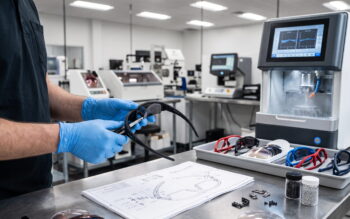
Injection Molding: Finally, an rPET eyewear manufacturer feeds these pellets into precision injection-molding machines to create perfectly shaped, durable optical frames.
On average, it takes about three to five recycled plastic water bottles to produce a single pair of glasses. This process drastically reduces landfill waste and prevents microplastics from entering our oceans.
The Core Advantages of Recycled Plastic Glasses Frames
Switching your product line to sustainable materials does not mean sacrificing quality. In fact, advanced rPET polymers rival traditional plastics in almost every structural category.
-
Exceptional Durability and Flexibility
First-time buyers often worry that recycled materials will feel cheap or brittle. This is a misconception. Through advanced thermal processing, rPET achieves a tensile strength and flexibility that closely mimics TR90 or premium virgin polycarbonate. The frames easily withstand daily drops, rough handling, and the constant stress of opening and closing the hinges.
-
Ultra-Lightweight Comfort
Like standard PET, rPET retains a very low specific gravity. Recycled plastic glasses frames sit lightly on the wearer’s nose and ears, preventing the deep indentations and fatigue that heavier materials cause during long workdays. This makes the material perfect for daily optical wear and active sports sunglasses.
-
Hypoallergenic and Skin-Safe
Because the recycling process involves extreme heat purification, rPET contains no toxic residues. The final frames are completely hypoallergenic. Wearers with sensitive skin or nickel allergies can wear rPET frames comfortably all day without experiencing rashes or irritation.
Designing with rPET: Aesthetically Versatile
A major reason why major retail chains successfully adopt rPET is the material’s aesthetic versatility. Eco-friendly no longer means settling for dull, unappealing colors. A professional factory can manipulate rPET to achieve the exact same premium finishes that consumers expect from luxury eyewear.
When structuring your B2B order, you can confidently request the most popular, high-converting retail finishes:
-
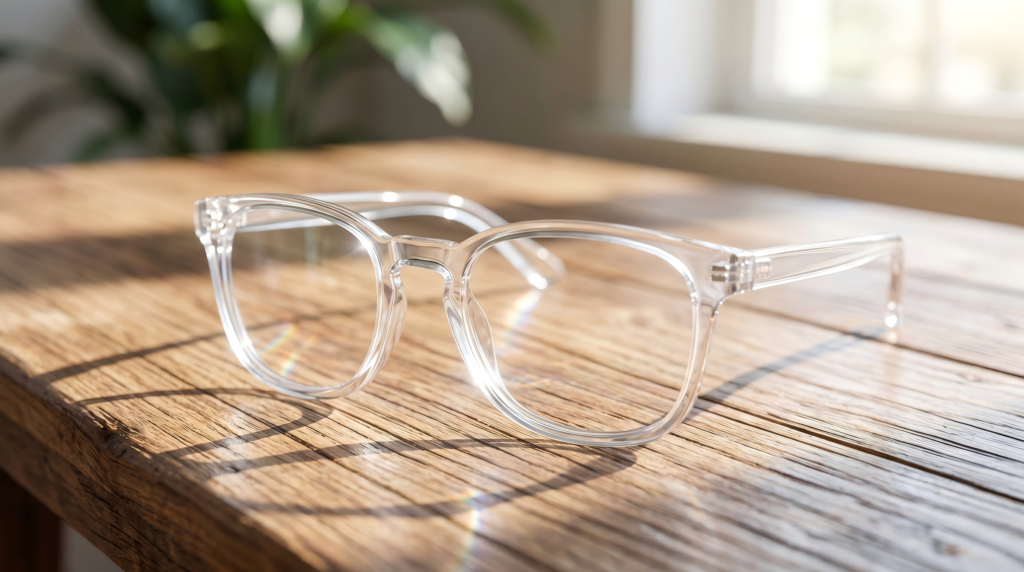
The Minimalist Clear Finish: Modern fashion heavily favors the “invisible” eyewear trend. Because the rPET washing process removes all impurities, manufacturers can produce flawless, perfectly transparent and clear frames. These pristine finishes appeal strongly to younger demographics and professionals seeking a modern aesthetic.
-
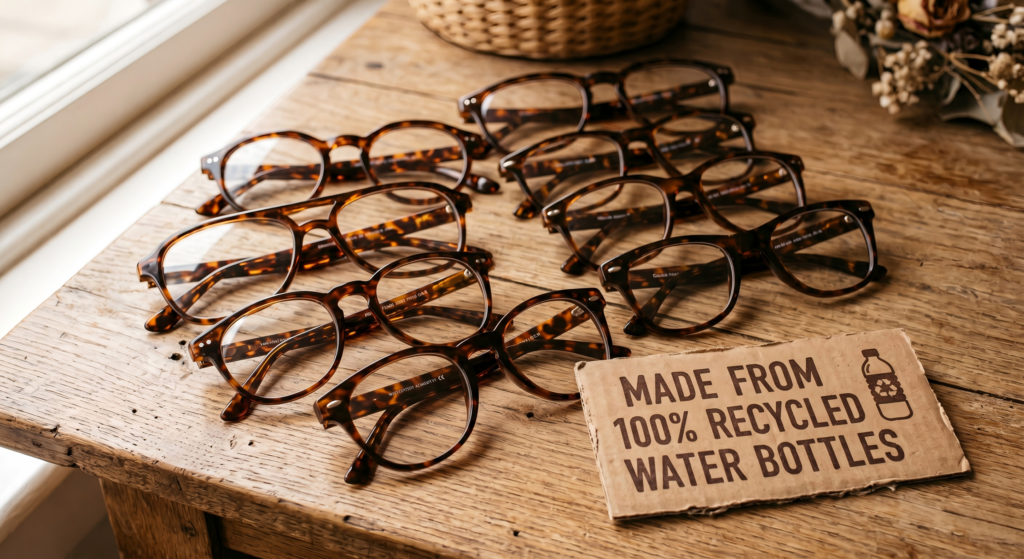
The Classic Tortoise Pattern: You do not have to abandon traditional styles to be sustainable. Factories use advanced water-transfer printing and specialized coating techniques on rPET to replicate the rich, deep amber and brown mottling of a classic tortoise pattern. This ensures your eco-friendly line still caters to buyers looking for timeless, vintage-inspired aesthetics.
-
Matte and Tactile Coatings: Factories frequently finish rPET frames with premium matte or rubberized coatings, giving them a high-end, soft-touch feel that resists fingerprints and sweat.
The B2B Retail Advantage: Why You Must Stock Eco-Friendly Frames
Sourcing recycled plastic glasses frames is not just an ethical decision; it is a highly profitable business strategy.
Capturing the Conscious Consumer
Millennials and Generation Z now hold the majority of global purchasing power. These demographics base their buying decisions heavily on a brand’s environmental ethics. They actively look for packaging and products that explicitly state “Made from 100% Recycled Materials.” If your eyewear brand or retail store fails to offer a sustainable product line, you automatically alienate a massive, highly motivated segment of the market.
Improved Brand Storytelling
Marketing standard plastic glasses is difficult in a crowded market. rPET gives your marketing team a powerful, authentic story. You can quantify your impact to your customers—for example, “This collection removed 50,000 plastic bottles from the ocean.” This type of transparent, mission-driven marketing builds immense brand loyalty and justifies a higher retail price point.
Staying Ahead of Global Regulations
Governments across Europe and North America are rapidly introducing strict regulations against single-use plastics and taxing virgin plastic imports. By shifting your supply chain toward a reliable rPET eyewear manufacturer now, you future-proof your business against upcoming environmental legislation and raw material taxes.
Sourcing Smart: How to Choose Your rPET Eyewear Manufacturer
Because sustainability is a major buzzword, some factories engage in “greenwashing”—falsely claiming their standard plastic frames use recycled materials. As a B2B buyer, you must audit your suppliers carefully to protect your brand’s reputation.
When negotiating with a potential rPET eyewear manufacturer, insist on the following criteria:
-
Require GRS Certification
The Global Recycled Standard (GRS) is the ultimate proof of authenticity in the recycling industry. A GRS-certified factory undergoes rigorous third-party audits to track the chain of custody for their recycled plastics. They must prove exactly where the plastic bottles came from and verify that the final product contains the correct percentage of rPET. Never buy sustainable frames from a factory that cannot produce a valid GRS certificate.
-
Evaluate Their Molding Precision
Recycled polymers behave slightly differently than virgin plastics during the injection molding process. The material requires precise temperature control to prevent warping or visible sink marks. Ask the manufacturer for physical samples so you can inspect the hinge alignment, the smoothness of the rims, and the overall structural integrity before committing to a bulk order.
-
Streamlined Order Structures
When placing your first B2B bulk order for sustainable frames, keep your catalog focused. Work with your factory to streamline production by ordering high-demand styles—such as standard clear frames and classic tortoise options—rather than creating overly complicated spec sheets with dozens of minor variations. This ensures the factory can source the correct volume of rPET raw material efficiently, keeping your unit costs down and your profit margins high.
Conclusion
The era of disposable, virgin plastic eyewear is rapidly coming to an end. Today’s market demands responsibility, transparency, and innovation. By transitioning your optical collections to rPET, you offer your customers a product that protects their vision while simultaneously protecting the planet.
Recycled plastic glasses frames deliver the durability, lightweight comfort, and premium aesthetic that consumers expect, all backed by a powerful environmental narrative. By partnering with a certified, experienced rPET eyewear manufacturer, you can confidently build a sustainable, future-proof eyewear brand that resonates with the modern conscious consumer and stands out in a competitive global market.