The optical industry stands at an environmental crossroads. For decades, eyewear brands relied heavily on traditional plastics, generating significant industrial waste and leaving a massive carbon footprint. However, modern consumers now actively demand ethical, sustainable products. They read the labels, research the materials, and expect the brands they buy from to take environmental responsibility seriously.
To meet this demand, a revolutionary material has taken center stage in premium eyewear production: bio-acetate. If you are an optical brand manager, wholesale buyer, or retail distributor, shifting your product line toward sustainable materials is no longer just a marketing tactic—it is a business necessity.
But what exactly separates bio-acetate from the traditional material the industry has used for a century? This guide breaks down the chemical differences, the manufacturing realities, and why partnering with a dedicated biodegradable glasses manufacturer is the smartest move for your next eyewear collection.
The Baseline: Understanding Regular Acetate
Before we can appreciate the “bio” upgrade, we need to understand standard cellulose acetate.
Acetate is often marketed as a “natural” plastic, and that is partially true. Unlike petroleum-based injection plastics (like polycarbonate or TR90), the base material for acetate is organic. Manufacturers create it by extracting cellulose from renewable resources like cotton linters and wood pulp.
So, if regular acetate comes from cotton and wood, why isn’t it perfectly sustainable? The problem lies in the plasticizers.
Raw cellulose is incredibly stiff and brittle. To turn it into the flexible, durable material needed to craft glasses frames, chemical engineers add synthetic plasticizers—most commonly Diethyl Phthalate (DEP). These petroleum-based chemicals bind with the cellulose, giving the acetate its structural integrity, flexibility, and ability to hold a shape after heating.
Unfortunately, these synthetic DEP plasticizers trap the organic cellulose. Because microbes in the environment cannot break down the petroleum-based chemicals, a standard pair of acetate glasses can sit in a landfill for decades without decomposing.
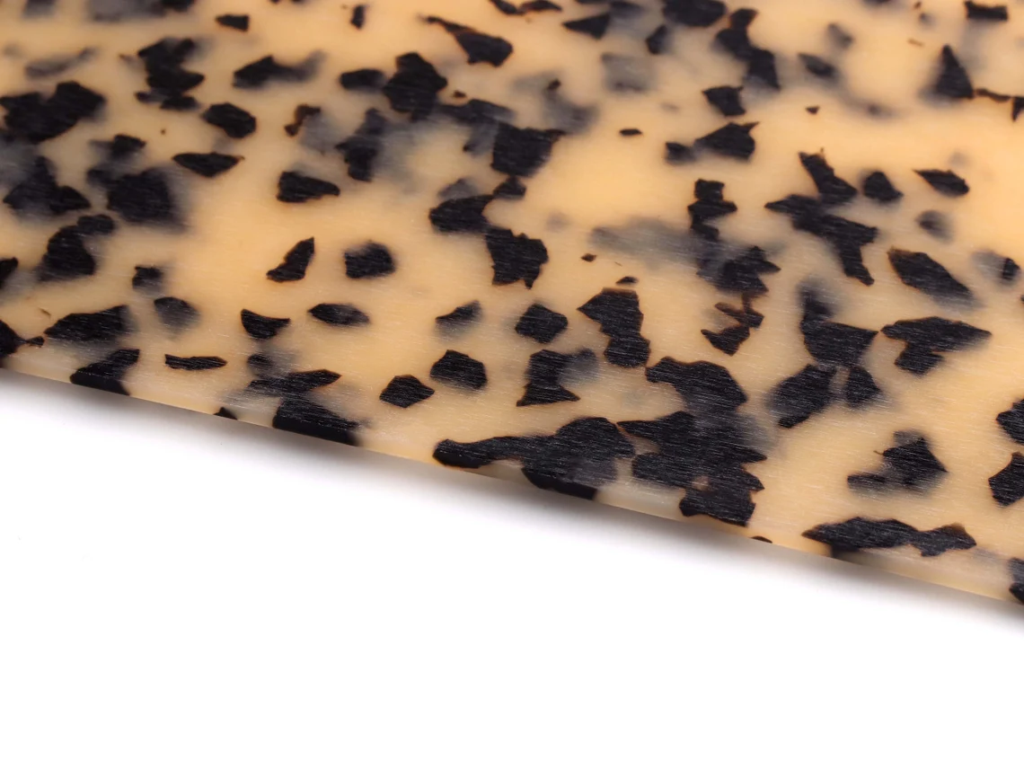
Acetate Material Comparison
| Material Property | Regular Acetate | Bio-Acetate |
| Biodegradability | Decades / Centuries | < 115 Days (ISO 14855) |
| Plasticizer Type | Diethyl Phthalate (DEP) | Organic / Bio-based |
| Carbon Footprint | Standard Industrial | Up to 50% Lower |
| Renewable Content | Low (<20%) | High (>65%) |
The Biodegradability Timeline
To be legally classified as biodegradable, a material must meet strict international standards, such as the ISO 14855 standard. Under industrial composting conditions (which provide specific heat, moisture, and microbial activity), high-quality bio acetate frames can completely biodegrade in under 115 days.
Instead of leaving behind toxic microplastics, bio-acetate breaks down into carbon dioxide, water, and natural biomass, safely returning to the earth.
Aesthetic and Performance Reality: Do Buyers Notice a Difference?
The biggest hesitation B2B buyers have when switching to eco-friendly materials is the fear of a drop in quality. Brands worry that sustainable frames will feel brittle, look dull, or fail to adjust properly during optician fittings.
Fortunately, bio-acetate requires absolutely zero compromises.
-
Tactile Feel and Durability
Bio-acetate offers the exact same premium, luxurious feel as traditional acetate. It retains the same weight, the same warm touch against the skin, and the same high tensile strength. Opticians can heat and bend the temples to fit a patient’s face without any fear of the material snapping or losing its shape memory.
-
Flawless Transparency and Color Depth
Because the organic plasticizers are inherently clean and pure, factories can produce bio-acetate in stunning, flawless finishes. If your catalog requires a modern, minimalist transparent look, bio-acetate delivers a pristine clear frame without any milky or cloudy defects.
Likewise, the material holds dye exceptionally well. A factory can mix and roll bio-acetate to create the deep, rich, multi-layered tortoise patterns that remain consistent top-sellers in the optical market. Whether you want a high-gloss polish or a modern matte finish, the sustainable version looks identical to the traditional version on the retail shelf.
-
Hypoallergenic Safety
While regular acetate is generally safe, the synthetic DEP plasticizers can occasionally trigger reactions in wearers with ultra-sensitive skin. Because bio-acetate uses plant-based plasticizers, it is inherently more biocompatible and hypoallergenic, offering a safer daily wearing experience for the end-user.
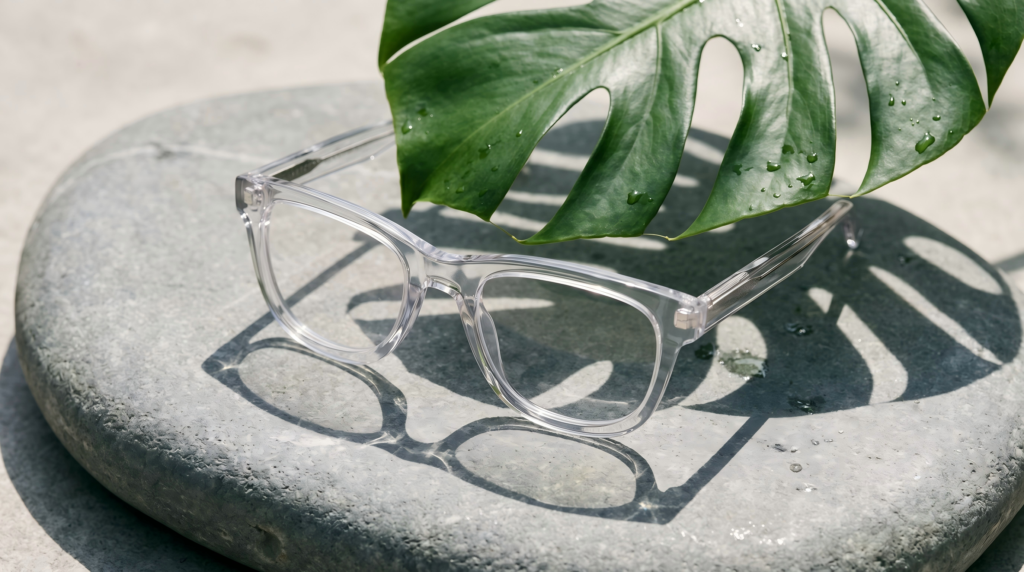
Why You Need a Specialized Biodegradable Glasses Manufacturer
Transitioning your product line to bio acetate frames requires more than just updating a spec sheet. Handling this material on the factory floor demands specific expertise. If you want to maintain high profit margins and low defect rates, you must partner with an OEM facility that understands the nuances of sustainable production.
Precision CNC Machining
While bio-acetate performs identically to regular acetate for the end-user, it behaves slightly differently under industrial manufacturing stress. During the CNC routing process (where the factory carves the frame shape out of the solid block), bio-acetate requires highly calibrated cutting speeds and specific drill-bit temperatures. If a factory runs the machines too hot, the organic material can scorch or warp. An experienced manufacturer knows exactly how to calibrate their equipment to yield flawless, dimensionally accurate frames.
Authentic Supply Chain Verification
“Greenwashing” is a massive problem in global manufacturing. Unscrupulous factories will occasionally mix standard acetate with bio-acetate to cut costs, entirely ruining the biodegradability of the final product.
When you partner with a professional biodegradable glasses manufacturer, they provide total transparency. They source their raw materials from globally recognized, certified suppliers (such as Mazzucchelli’s M49 line or Eastman’s Acetate Renew). A reliable factory will gladly provide the material safety data sheets (MSDS) and certification documents you need to legally market your frames as biodegradable in strict retail markets like the EU and North America.
Scrap Recycling and Closed-Loop Production
A truly sustainable factory does not stop at the material choice; they optimize the entire production floor. Carving glasses frames generates a significant amount of acetate shavings and scrap material. Top-tier factories operate a closed-loop system, collecting these clean bio-acetate scraps, melting them down, and injecting them into hidden internal components or secondary product lines, minimizing raw material waste and lowering your overall production costs.
Conclusion: The Future of Eyewear is Bio-Based
Consumer priorities have permanently shifted. Eco-conscious purchasing is no longer a fringe trend; it is the baseline expectation for modern retail. By clinging to traditional petroleum-based plastics, optical brands risk alienating a massive, highly motivated segment of the market.
Transitioning your catalog to bio acetate frames allows you to tell a powerful, authentic brand story. You offer your retail partners and end-users a product that delivers the timeless elegance of classic tortoise patterns and the crisp, modern appeal of clear finishes—all without leaving a toxic legacy in a landfill.
By strategically partnering with a certified, experienced biodegradable glasses manufacturer, you secure a supply chain that protects both the environment and your bottom line. The optical industry is going green; make sure your brand is leading the charge.