Fashion operates on a continuous, highly predictable loop. What dominates the cultural zeitgeist one decade inevitably fades, only to return years later with a refined, modern twist. In the global optical market, we are currently witnessing a massive, highly profitable resurgence of mid-century aesthetics. Specifically, optical buyers worldwide report unprecedented retail demand for two iconic silhouettes: the D-Frame and the Browline.
Modern consumers actively reject the generic, overly safe, and invisible optical frames of the early 2010s. Instead, they seek eyewear that conveys personality, intellect, and vintage sophistication. They treat their prescription glasses as definitive style statements rather than purely medical devices. For B2B wholesale buyers, independent opticians, and eyewear brand managers, capitalizing on this retro revival is essential for driving seasonal revenue and capturing the fashion-forward demographic.
However, successfully bringing these complex, multi-material designs to market requires more than just spotting a trend. It requires a deep understanding of frame architecture and the technical capacity of your supply chain. This comprehensive guide breaks down the anatomy of these classic shapes, the consumer psychology driving their sales, and exactly what you need to look for when vetting a professional browline glasses manufacturer.
Defining the Aesthetics: The Anatomy of D-Frames and Browlines
Before placing bulk optical orders, buyers must understand exactly what makes these two distinct shapes so universally appealing and structurally unique. Knowing the architecture helps you market the frames better and justify premium retail pricing to your end consumer.
The Sturdy Sophistication of the D-Frame
The D-Frame earns its name from its distinctive, geometric shape. If you turn the capital letter “D” on its side, you perfectly map the silhouette of the lens. The frame features a remarkably flat, straight top bar that aligns with the wearer’s eyebrows, while the bottom of the rim curves smoothly downward in a soft semi-circle.
-
Facial Flattery and Contouring: The D-Frame creates a powerful horizontal line across the upper face. This sharp geometry brings much-needed structure to softer, rounder, or oval face shapes, instantly elevating the wearer’s features and providing a strong, confident look.
-
The Vintage Touch: Modern D-Frames frequently incorporate a classic “keyhole bridge” (a nose bridge shaped exactly like an antique keyhole). This design choice distributes the weight of the heavy acetate along the sides of the nose rather than resting directly on the top ridge. It enhances long-term wearing comfort while screaming vintage appeal.
The Intellectual Edge of the Browline
The Browline is arguably the most recognizable optical shape of the 1950s and 1960s. The design literally mimics how eyebrows frame the eyes. The upper portion of the frame (the “brow”) utilizes a thick, bold material like heavy acetate or dense nylon. The lower portion of the frame suspends the prescription lens using an ultra-thin, almost invisible metal wire.
-
Balancing Proportions: Browlines draw the observer’s focus instantly to the upper half of the face. This makes them exceptionally flattering for individuals with strong jawlines or triangular faces, as the heavy top line perfectly balances the lower facial proportions.
-
The Complex Vibe: Browline glasses project an aura of authority, intelligence, and creative energy. They remain the frame of choice for professionals, academics, and creatives who want to stand out in a boardroom without looking overly eccentric.

The Engineering Challenge: Why You Need a Specialist
While designing a D-Frame primarily involves mastering thick acetate carving, crafting a high-quality browline frame presents a massive manufacturing challenge. You cannot simply hand a browline tech pack to a budget factory that only produces basic injection-molded plastics and expect a premium result.
Creating this hybrid style requires your supply chain partner to possess expert-level skills in both acetate machining and precision metalworking. When you seek out a dedicated browline glasses manufacturer, you must evaluate their ability to overcome three distinct engineering hurdles:
-
The Acetate-to-Metal Junction
A browline frame features multiple, highly sensitive connection points. The factory must secure the thick acetate brow piece to the thin metal wire rim flawlessly. Budget factories often use cheap industrial glues or poorly aligned micro-screws, resulting in a frame that wobbles, squeaks, or completely falls apart after a few weeks of daily use.
A premium browline glasses manufacturer uses advanced micro-screws and precision-drilled anchor points. They engineer the metal chassis to sit perfectly flush within a microscopic groove routed directly out of the acetate brow. This requires high-end multi-axis CNC machines to ensure absolute structural rigidity and a seamless visual transition between the two materials.
-
Lens Tension and Wire Rims
In a browline design, the thin lower metal wire holds the entire prescription lens under constant tension. If the factory uses low-grade, soft copper alloys for this wire rim, the metal will stretch and warp over time. When the metal stretches, the expensive prescription lens simply pops out onto the floor. Top-tier factories use high-tensile stainless steel or premium titanium for these lower rims. These superior metals maintain constant, unyielding tension, securing the lens safely for years of daily wear.
-
Hinge Integration and Stress Distribution
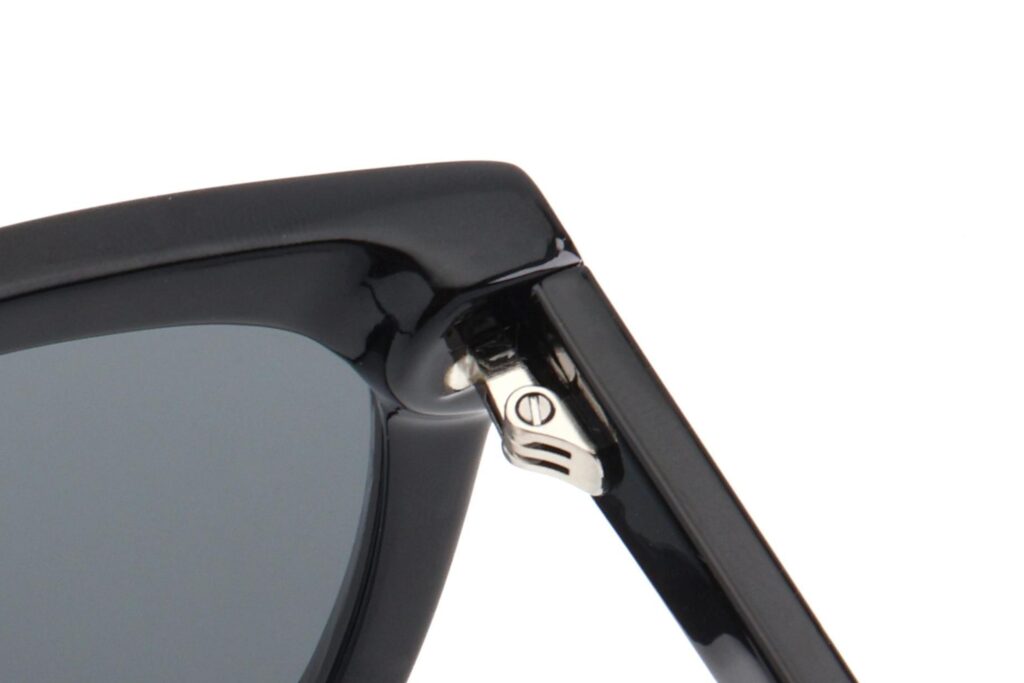
Because the browline frame utilizes two fundamentally different materials, installing the hinge requires absolute precision. The hinge must anchor securely through the acetate brow and connect to the metal chassis beneath it without creating a weak point. Experienced manufacturers utilize reinforced barrel hinges or high-grade spring hinges that absorb the stress of taking the glasses on and off. This prevents the acetate from cracking near the temple joints and dramatically lowers your warranty return rates.
Material Upgrades: Modernizing the Retro Look
The overarching shapes may originate from the 1950s, but today’s sophisticated optical buyers expect 2026 technology. When you approach a prospective browline glasses manufacturer to build your new collection, you must specify modern, high-performance materials to justify premium retail pricing and stand out in a crowded market.
Shifting from Basic Plastics to Bio-Acetate
Consumers no longer accept cheap, petroleum-based injection plastics for retro designs. To capture the true depth, weight, and luxurious gloss of vintage D-Frames and Browlines, you must specify cellulose acetate.
Furthermore, you can significantly boost your brand’s marketability by requesting Bio-Acetate. This eco-friendly alternative replaces synthetic chemical plasticizers with plant-based, organic compounds. Bio-acetate makes the frames fully biodegradable and highly sustainable without sacrificing any of the classic glossy aesthetics or structural durability that traditional acetate provides.
Titanium: The Ultimate Metal Upgrade
For the lower wire rims, nose bridge, and hinges of your browline frames, standard monel or cheap alloys present a massive risk of nickel allergies and green skin discoloration. Elevate your catalog immediately by requesting titanium hardware from your browline glasses manufacturer.
Titanium offers the highest strength-to-weight ratio in the entire eyewear industry. It allows the browline wire rims to remain incredibly thin and virtually weightless on the wearer’s face, while providing absolute immunity to sweat corrosion, saltwater, and skin allergies.
Embracing Modern Color Palettes
While classic piano black and rich Tortoise patterns will always anchor your wholesale orders, modernizing these retro shapes requires injecting contemporary colors into your tech packs.
-
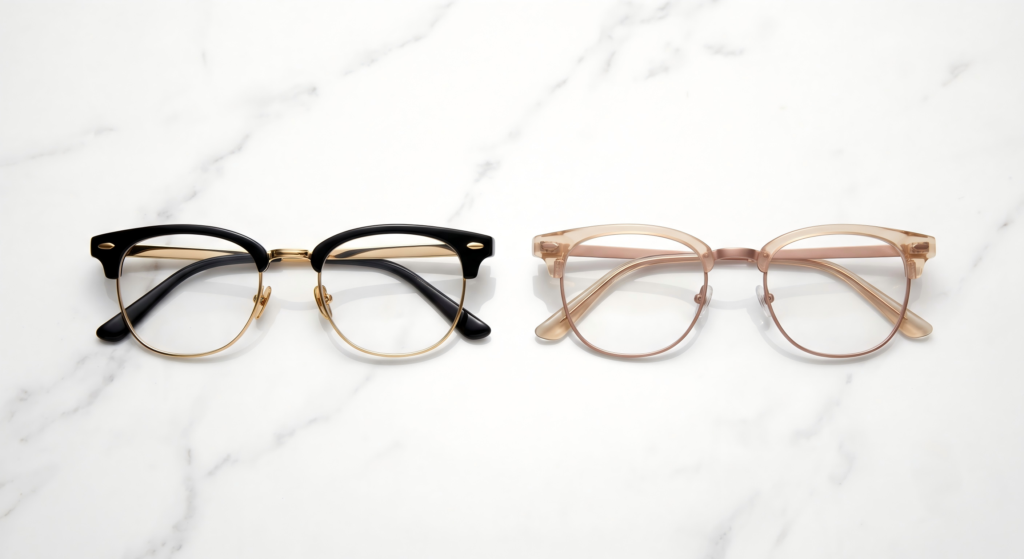
Transparent Tones: Lighten the heavy visual impact of a chunky D-Frame by ordering it in Crystal Clear, Champagne, or translucent Olive Green. Transparent frames catch the light beautifully and make bold shapes much more wearable for petite faces.
-
Matte Metal Finishes: Update the classic browline by pairing a matte-black acetate brow with brushed gunmetal or matte rose-gold wire rims. This offers a stealthy, modern, and highly tactile twist on the classic intellectual look.
Structuring Your Wholesale Purchase
Launching a successful retro eyewear collection requires smart, data-driven inventory planning. If you over-index on overly aggressive, experimental colors, you risk holding dead stock. If you play it too safe, you fail to capture the fashion-forward consumer looking for a fresh statement piece.
When you finalize your contract with your manufacturer, adopt the proven “70/30 Rule” for your B2B order:
-
The 70% Core: Dedicate the bulk of your budget to proven, highly commercial variants. Stock heavy volumes of thick black D-frames, classic dark tortoise patterns, and traditional black-and-silver browlines. These staple items guarantee consistent, year-round turnover for your retail partners and optical shops.
-
The 30% Trend: Use the remaining thirty percent of your budget to capture high-margin, fashion-focused buyers. Order D-frames in bold translucent colors (like deep burgundy or clear crystal). Order browline frames featuring experimental material pairings, such as clear acetate brows combined with polished gold titanium rims. These striking variants draw customers to your window displays and drive highly profitable impulse purchases.
Additionally, always specify premium hardware across your entire order. Upgrading from standard barrel hinges to flexible spring hinges adds only pennies to your base manufacturing cost, but it dramatically reduces fit complaints. Spring hinges ensure your retro frames accommodate a wide variety of head shapes right out of the box, offering a custom-feeling fit for every customer.
Conclusion: Partnering with Precision
The massive resurgence of D-Frames and Browline glasses proves that consumers still crave eyewear with character, history, and structural presence. For B2B buyers, this retro revival offers a highly lucrative opportunity to expand your optical catalog with high-margin, sophisticated designs that practically sell themselves.
However, capturing the true essence of these mid-century classics requires flawless modern execution. The delicate marriage of thick acetate brows and thin metal wire rims leaves absolutely no room for manufacturing errors or cut corners.
To protect your brand reputation and ensure your inventory sells through quickly, you must look far beyond basic plastic injection factories. Vetting a prospective browline glasses manufacturer requires asking tough, technical questions about their CNC routing accuracy, their metal alloy sourcing, and their hinge assembly techniques. By partnering with a factory that masters both optical artisanship and modern materials, you guarantee your new retro collection not only looks timeless but performs flawlessly for decades to come.
More You Like