Newsroom

News Release |

4 Principles of How to Design Sunglasses: A Comprehensive Guide

Designing sunglasses is an art that combines functionality, style, and innovation. Whether you’re a seasoned designer or a beginner, understanding the core principles of sunglasses design can help you create a product that not only looks great but also provides optimal protection and comfort. In this blog post, we’ll explore the four key principles to keep in mind when designing sunglasses.

Ergonomics and Comfort

The first and foremost principle in designing sunglasses is ensuring they are comfortable and fit well. Ergonomics plays a crucial role in the overall user experience. Here are some tips to achieve this:

Frame Material

Choose lightweight and durable materials such as acetate, titanium, or stainless steel. These materials ensure that the sunglasses are not too heavy on the face.

Nose Pads and Temples

Adjustable nose pads and temples can significantly enhance the fit. Ensure that the nose pads are made of a soft, non-slip material to prevent them from sliding down the nose.

Frame Shape

Consider the different face shapes (oval, round, square, heart-shaped) and design frames that complement each one. This will make your sunglasses more versatile and appealing to a wider audience.

UV Protection and Lens Quality

Sunglasses are not just about style; they also serve a critical function—protecting the eyes from harmful UV rays. When you design sunglasses, it’s essential to focus on the quality and protective features of the lenses:

UV Protection

Ensure that the lenses provide 100% UVA and UVB protection. This is a must-have feature for any pair of sunglasses.

Lens Materials

Use high-quality lens materials like polycarbonate, which is impact-resistant and provides excellent clarity. Polarized lenses can also be a great addition, as they reduce glare and improve visual comfort.

Tint and Color

The tint and color of the lenses should be chosen based on their intended use. For example, gray lenses are great for general use, while brown lenses are ideal for enhancing contrast in low-light conditions.

Aesthetic and Style

While functionality is crucial, the aesthetic appeal of sunglasses cannot be overlooked. The style and design of the sunglasses can make or break their market success. Here’s how to strike the right balance:

Trend Analysis

Stay updated with the latest fashion trends and incorporate elements that resonate with current styles. However, timeless designs should also be considered, as they will remain popular over the years.

Color and Texture

Experiment with different colors and textures for the frames. Bold, vibrant colors can make a statement, while subtle, classic colors can offer a more understated look.

Branding and Details

Add unique branding elements and small details that set your sunglasses apart. This could include custom logos, engravings, or unique frame designs.

Durability and Sustainability

In today’s environmentally conscious world, durability and sustainability are becoming increasingly important. When you design sunglasses, consider the following:

Durability

Use high-quality materials and robust construction techniques to ensure that the sunglasses can withstand daily wear and tear. Reinforced hinges and scratch-resistant lenses are key features.

Sustainability

Opt for eco-friendly materials and production processes. Consider using recycled plastics, biodegradable materials, or even plant-based alternatives. Highlighting these sustainable practices can attract a growing segment of environmentally conscious consumers.

Conclusion

Designing sunglasses is a multifaceted process that requires a careful balance of ergonomics, functionality, style, and sustainability. By adhering to these four principles, you can create a pair of sunglasses that not only look great but also provide the necessary protection and comfort. Whether you’re a professional designer or a hobbyist, these guidelines will help you craft a product that stands out in the competitive market of design sunglasses.
Stay tuned to our blog for more insights and tips on designing and manufacturing high-quality sunglasses. Happy designing!


Recent Posts

How to Evaluate Sunglasses Samples: A B2B Buyer’s Testing Checklist


You spent weeks finalizing tech packs, debating CAD drawings, and waiting for international shipping. Finally, the courier hands you the box containing your new sunglasses prototypes. What you do in the next 24 hours dictates the success or failure of your entire retail collection. Many B2B buyers simply put the sample on their face, look […]

How to Evaluate Sunglasses Samples: A B2B Buyer’s Testing Checklist
Full Article

Eyewear Seasonal Sourcing Calendar: When to Order Sunglasses for Every Retail Season


In the eyewear industry, timing is just as critical as design and material quality. The most stunning sunglass collection will fail if it arrives at your warehouse in September instead of May. Many optical brand owners and wholesale buyers mistakenly believe they can simply place an order a month before their target launch date. In […]

Eyewear Seasonal Sourcing Calendar: When to Order Sunglasses for Every Retail Season
Full Article

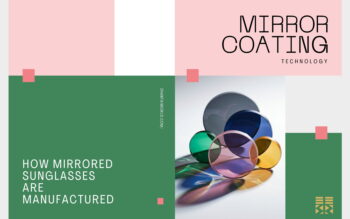
Mirror Coating Technology: How Mirrored Sunglasses Are Manufactured


If you read our foundational guide on “What Are Mirrored Sunglasses,” you already understand the consumer appeal of these striking lenses. They offer ultimate privacy, drastically reduce glare in extreme environments, and provide a bold, fashion-forward aesthetic that dominates both the sports and luxury eyewear markets. But what actually happens behind the closed doors of […]

Mirror Coating Technology: How Mirrored Sunglasses Are Manufactured
Full Article

Professional Service Process

OEM/ODM service

Learn about the cooperation process
FAQs

Q1: What is your production capacity for OEM/ODM sunglasses orders?

Our total annual output exceeds 20 million pieces. For our primary injection styles, our capacity is between 800,000 and 1,000,000 pieces per month, while our metal production lines output 400,000 to 600,000 pieces per month. This large-scale capability allows us to support high-volume orders for global supermarkets and chain stores reliably.

Q2: What kind of customization services do you provide for fast-fashion brands?

We offer a complete product and packaging one-stop service. Our R&D team develops over 50 new sample designs per month based on market research and trend analytics. We fully support custom frames, lenses, and LOGO customization to match your exact brand identity.

Q3: How long is the typical lead time for samples and bulk production?

We pride ourselves on speed and efficiency. We offer fast sample-making within 7 to 15 days. If your project requires a new mold, it typically takes 20 to 30 days. For bulk order production, our standard lead time is 30 to 60 days.

Q4: Do your sunglasses meet international quality and safety standards?

Absolutely. We strictly follow quality control steps from raw materials (IQC) to finished products (OQC). Our factory and products hold comprehensive professional qualification certificates, including CE, FDA, ISO 9001, ISO 13485, BSCI, SMETA, and the Global Recycled Standard.

Q5: Do you have experience working with major global retailers?

Yes, Wenzhou Zhantai Glasses has over 30 years of company history and extensive experience manufacturing for top supermarkets, ecommerce platforms, and global brands. Our recognized quality control has earned us partnerships with industry leaders like Walmart, Disney, Muji, Safilo, and QUAY. By working with us, you receive factory prices with no middlemen.

Q6: What types of eyewear materials do you manufacture?

We work with a wide variety of materials across our 3 production lines. Our capabilities include injection PC and TR, metal, acetate, and eco-friendly materials. This diverse material expertise allows us to meet the specific price points and design requirements of different fast-fashion brands and supermarkets.

Q7: What are your main product categories?

Our main products are sunglasses, optical glasses, and reading glasses. While we specialize in injection sunglasses for retail chains, we also have dedicated production lines for optical frames and reading glasses to provide a comprehensive eyewear catalog.

Q8: What is your Minimum Order Quantity (MOQ)?

As an OEM/ODM factory focusing on large-scale production, our standard MOQ is 1200 pieces per model for 3-4 colors. However, we offer flexible solutions for trial orders or specific customization needs. Please contact our sales team to discuss your project.

Q9: Do you have manufacturing facilities outside of China?

Yes, we do. In addition to our main 10,000-square-meter headquarters in Wenzhou, China, we also operate a specialized manufacturing facility in Thailand. Having a dual-country production strategy allows us to provide our global clients with highly flexible supply chain solutions, optimize import logistics, and mitigate international trade risks (such as tariffs). This ensures uninterrupted, high-capacity delivery for major supermarkets and brands.

Q10: What is your company’s background and manufacturing scale?

Wenzhou Zhantai Glasses was founded in 1990, giving us over 30 years of deep expertise in eyewear manufacturing. Our headquarters covers a construction area of over 20,000 square meters and employs more than 500 skilled workers. Thanks to the trust of our global clients, we maintain a highly stable operational status; our annual turnover continues to grow steadily, reaching $40 million in 2025, with a projected figure of $45 million in 2026. We are a financially strong and scalable partner ready for long-term collaboration.

Get in touch

Let’s build your vision together. Backed by 30 years of manufacturing excellence, Zhantai Glasses offers the quality and customization your brand needs to stand out. From concept to global distribution, we handle the details so you can focus on growth.

Let's collaborate for exceptional eyewear. We look forward to a meaningful collaboration.

Wenzhou Zhantai Glasses

Beiwei No.2 Street, Ouhai District, Wenzhou City, Zhejiang Province, China.

[email protected]