The global eyewear market constantly evolves, but one trend remains remarkably stable: the steady, undeniable demand for high-quality metal frames. As consumers grow more educated about the products they wear daily, they prioritize longevity, skin safety, and timeless aesthetics. For optical brands, retailers, and independent optometrists, selecting the right frame material dictates profit margins, return rates, and customer satisfaction. Among the myriad of materials available today, steel optical frames strike the perfect balance between premium quality and accessible pricing.
But why exactly do buyers consistently choose stainless steel over alternative metals like Monel, aluminum, or even titanium? The answer lies in the material’s unique blend of physical properties and its remarkable versatility on the production line. Let’s explore what makes this metal the industry workhorse, and why partnering with an experienced stainless steel glasses frames manufacturer can elevate an entire eyewear collection.
The Core Advantages of Stainless Steel in Eyewear
Stainless steel is an alloy primarily composed of iron, carbon, and a significant percentage of chromium (usually at least 10.5%). This chromium content gives the metal its “stainless” property. In the eyewear industry, manufacturers typically use surgical-grade stainless steel—such as 316L—because it offers distinct advantages that directly benefit the end-user.
-
Exceptional Durability and Tensile Strength
Eyewear takes a daily beating. People drop their glasses, fall asleep in them, and toss them into bags without a case. Stainless steel boasts exceptional tensile strength, meaning the frames resist bending and breaking under pressure. Unlike softer metals that warp out of shape over time, steel maintains its structural integrity. This resilience reduces warranty claims and ensures that the frames sit symmetrically on the wearer’s face for years.
-
Hypoallergenic Properties for Sensitive Skin
Skin irritation remains a massive pain point for eyeglass wearers. Many budget metal frames use Monel—an alloy containing high amounts of nickel. When sweat breaks down the outer coating of a Monel frame, the exposed nickel causes severe allergic reactions, rashes, and green skin discoloration. High-quality steel optical frames, particularly those made from 316L surgical steel, are virtually nickel-free or bind the trace amounts of nickel so tightly that they do not react with the skin. This hypoallergenic nature makes steel a safe, universally comfortable choice.
-
High Corrosion Resistance
Glasses sit on our faces, absorbing body heat, sweat, natural oils, and cosmetics. Standard metal frames easily corrode or rust under these conditions. Because stainless steel contains chromium, it forms a microscopic, invisible layer of chromium oxide on its surface. This passive layer effectively blocks moisture and oxygen from reaching the underlying iron, rendering the frame highly resistant to rust, corrosion, and tarnish.
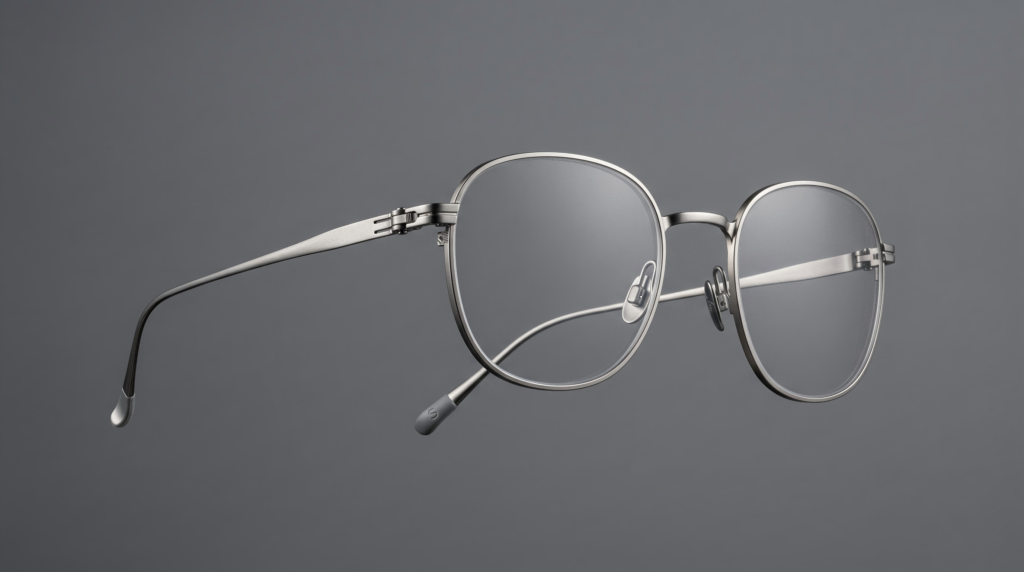
Stainless Steel vs. Titanium: The Ultimate Showdown
When optical buyers source premium metal collections, the debate almost always boils down to stainless steel versus titanium. Both materials command respect, but they serve different strategic purposes.
Titanium famously offers an incredibly high strength-to-weight ratio. It feels feather-light on the face and provides excellent durability. However, titanium is notoriously difficult to mine, refine, and machine. Welding titanium requires specialized, oxygen-free argon chambers, which drastically drives up production costs. Consequently, titanium frames carry a steep retail price tag that alienates budget-conscious consumers.
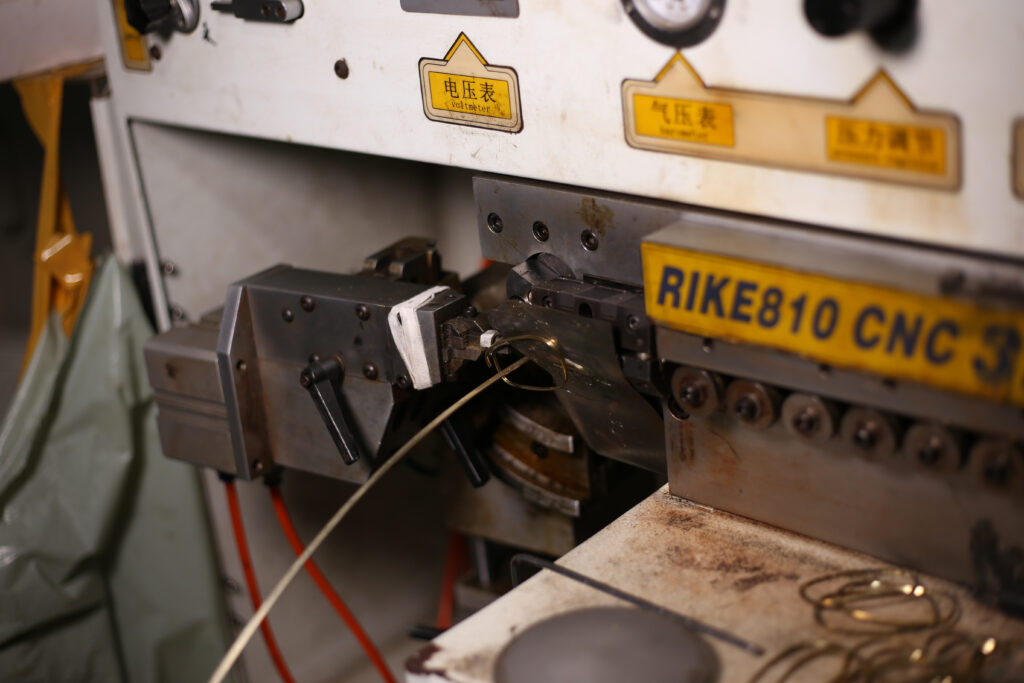
This is where steel steps in to dominate the market. A skilled stainless steel glasses frames manufacturer can engineer steel down to incredibly thin profiles—sometimes as thin as 0.5 millimeters. At this thickness, steel optical frames feel almost as light as titanium but cost a fraction of the price to produce. Steel offers better malleability during the manufacturing process, allowing designers to experiment with complex shapes, intricate hinge mechanisms, and unique bridge designs that would be cost-prohibitive to machine out of titanium.
For buyers aiming to capture the mid-to-high-end market—offering premium feel without the luxury price tag—stainless steel provides the optimal return on investment.
Steel Optical Frames vs. Monel and Acetate
To fully understand the market positioning of steel, we must compare it to the other two dominant eyewear materials: Monel and Acetate.
| Feature | Stainless Steel | Monel (Basic Alloy) | Acetate (Plastic) |
| Durability | Excellent; holds shape permanently. | Moderate; prone to warping. | Good, but expands/warps in high heat. |
| Skin Safety | Hypoallergenic (surgical grade). | High risk of nickel allergies. | Hypoallergenic. |
| Profile & Weight | Ultra-thin, lightweight, sleek. | Thicker metal, slightly heavier. | Bulky, heavier on the nose bridge. |
| Corrosion Resistance | Extremely high. | Poor once top coating wears off. | Immune to rust, but can dry out or cloud over time. |
While acetate frames excel in offering bold, chunky colorful aesthetics, they cannot compete with the lightweight, invisible feel of wireframes. As modern fashion trends heavily favor minimalist, retro-inspired wire designs, steel optical frames have surged in popularity among younger demographics.

Design Flexibility and Aesthetic Appeal
Beyond engineering metrics, eyewear is fundamentally a fashion product. Buyers choose stainless steel because it acts as a phenomenal canvas for modern design.
Because steel boasts such high tensile strength, designers can create “rimless” or “semi-rimless” frames that securely hold prescription lenses without bulky borders. Furthermore, steel accepts surface treatments exceptionally well.
Leading factories employ a process called PVD (Physical Vapor Deposition) coating on their steel frames. Unlike traditional wet painting or standard electroplating—which can easily chip, peel, or scratch off—PVD coating binds color to the steel at a molecular level inside a vacuum chamber. This allows a stainless steel glasses frames manufacturer to produce frames in stunning matte blacks, polished rose golds, brushed gunmetals, and vibrant tortoiseshell patterns that simply do not fade. The resulting aesthetic looks wildly expensive and satisfies the modern consumer’s demand for high-end finishes.
Sourcing Smart: Choosing the Right Stainless Steel Glasses Frames Manufacturer
Understanding the benefits of steel is only half the battle; executing the production requires the right manufacturing partner. Not all factories process steel with the same level of expertise. When sourcing steel optical frames for your brand or retail chain, look for a manufacturer that demonstrates mastery in the following areas:
Precision Welding and Joint Integrity
The weakest point of any metal frame is the hinge and the rim lock (the screw mechanism that holds the lens in place). A top-tier manufacturer uses advanced laser welding technology to fuse the steel components seamlessly. Poor welding leaves visible bumps, scorch marks, or brittle joints that snap under pressure.
Advanced Surface Treatment Capabilities
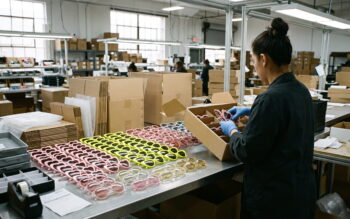
Ask potential suppliers about their plating processes. As mentioned, PVD vacuum plating is the gold standard for stainless steel. A reliable factory will have strict quality control measures to test the coating’s resistance to artificial sweat, UV light, and abrasive friction.
Prototyping and Engineering Support
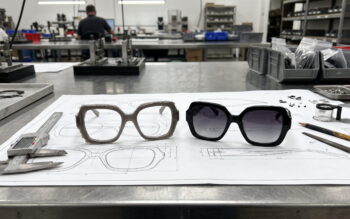
Stainless steel requires precise tooling. A reputable stainless steel glasses frames manufacturer will offer robust R&D support. They should help you translate a 2D design sketch into a structurally sound 3D CAD model, identifying potential stress points before cutting the first piece of metal. They understand exactly how much they can thin out a frame before it loses its structural integrity.