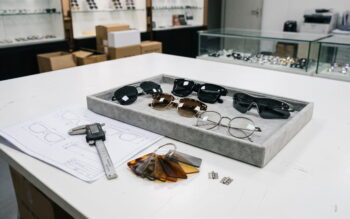
The global eyewear market moves in fast cycles. Styles emerge, dominate for a season, and then vanish from consumer memory. This volatility presents a constant challenge for B2B procurement teams and retail brands. You must select products that balance trendy appeal with long-term sales stability. For retailers seeking a safe-margin, high-volume item that consistently generates consumer demand, few categories rival aviator sunglasses for men. This classic, authoritative, and perpetually rugged style anchors collections year after year. As a primary manufacturer of diverse eyewear materials, Wenzhou Zhantai Glasses has watched this market segment sustain incredible stability. This article will explain the enduring commercial strength of Aviators, trace their pragmatic history, and detail their modern manufacturing evolution for your procurement strategy.
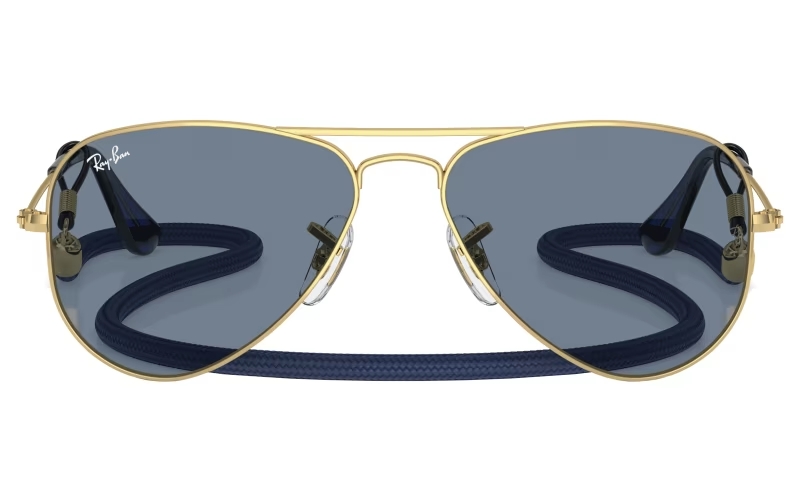
The Pragmatic Cockpit Origins: A Practical History (1930s)
A product’s history often dictates its future market positioning. Aviator sunglasses for men did not begin as a fashion accessory. They originated from an urgent military necessity.
By the 1930s, military aircraft were flying higher and faster than ever before. US Army Air Corps pilots reported a major occupational hazard: massive glare from the sun at high altitudes. Traditional goggles were bulky, fogged easily, and did not protect against the intense, bright light that caused severe headaches and reduced visibility during critical combat maneuvers. A true functional solution was needed.
The military contracted Bausch & Lomb (the ancestor of a modern optics giant) to develop anti-glare eyewear for pilots. The original design was radically functional. The now-famous tear-drop shape was not for aesthetics. It was engineered to cover the entire eye socket and maximize the downward and peripheral fields of vision, preventing any bright light from leaking into the pilot’s eyes.
These original glasses used lightweight metal frames and green, high-clarity glass lenses. The first production run was delivered in 1937, and the military designated them ‘Aviators.’ Their immediate success on high-altitude missions laid the foundation for decades of consumer trust.
Post-WWII: From Military Surplus to Style Icon (1940s-1970s)
Military gear rarely stays in the military. It is often too practical, durable, and cost-effective for civilians to ignore. Post-WWII surplus introduced a generation of men to the comfort and performance of high-quality mens aviator sunglasses. Veterans loved them, and workers needed them.
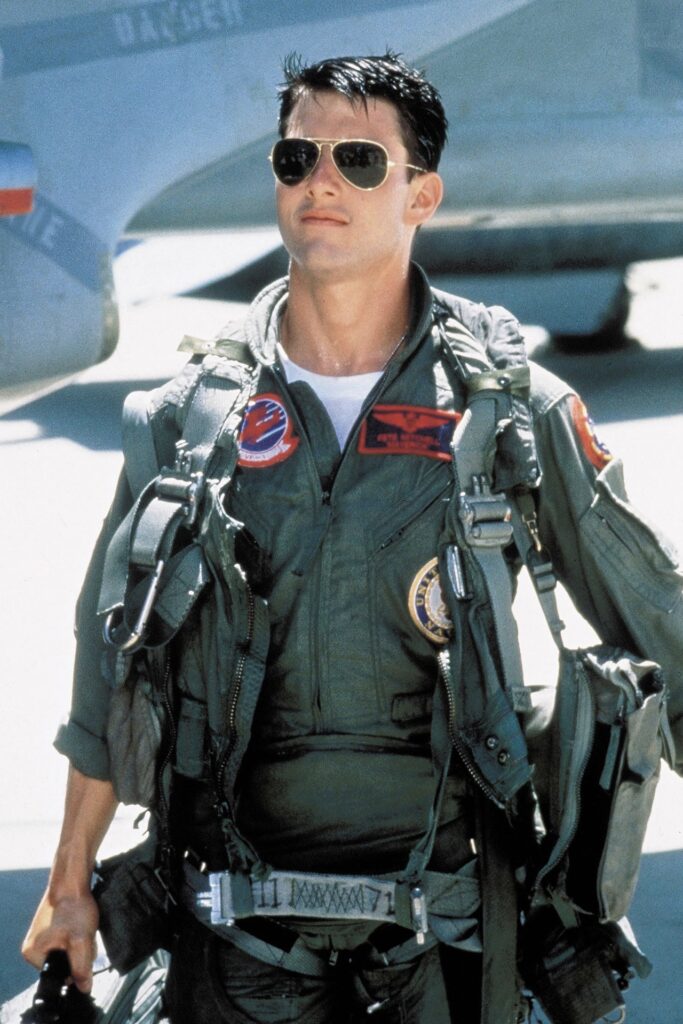
By the 1950s, Hollywood had adopted the look, associating it with authority and rugged heroism. Leading leading actors wore them on screen, solidifying the classic aesthetic. However, it was the 1960s and 1970s that shifted men’s aviator sunglasses from authoritative gear to rebellious fashion. The same authoritative tear-drop look that protected generals was adopted by motorcycle culture, rock stars, and anti-establishment icons. The appeal became universal: they were authoritative on some, and defiantly cool on others. This period established the critical retail selling point: Aviators give any man an instant look of casual confidence.
Modern Evolution: Materials & Design Tweaks
While the classic tear-drop profile remains, the manufacturing realities have evolved significantly. The Aviator market is no longer defined by a single material. For a global eyewear manufacturer like Wenzhou Zhantai Glasses, the modern Aviator market split is strategic and highly segmented. We produce traditional metal Aviators alongside modern performance interpretations, and understanding the differences is key for B2B sourcing.
- Classic Metals: These maintain the traditional 1930s identity. They utilize high-quality metal alloys (e.g., copper, nickel, stainless steel) and glass or modern polycarbonate lenses. Our factory enforces strict quality control on traditional Aviators to ensure precision lens registration and high yield on complex metal shaping.
- Performance Polymers (e.g., TPEE): This is where modern innovation shines. B2B buyers looking for durable, lightweight, or children’s product lines increasingly choose Aviator sunglasses for men made from advanced polymers like TPEE. Referencing our factory capabilities, we utilize superior material supply chains to produce TPEE frames that are flexible and ‘unbreakable.’ This adds immense value for activewear or promotional collections, solving the common pain point of metal frames breaking under stress.
- Lens Technology: The classic green lens is just one option. Modern aviator sunglasses men collections rely heavily on polarized lenses, mirroring, high-clarity gradients, and advanced UV400 coatings. This allows retailers to offer product depth without retooling a popular frame shape.

Why Retailers must Stock Aviators (Market Demand)
The Aviator appeal is self-sustaining. It is a design that creates authority, ruggedness, and authority. The psychology for a male consumer is simple: it is an established shortcut to a desirable identity.
For retailers, Aviators provide high margin, safe inventory. Unlike highly experimental fashion frames, they do not carry a high obsolescence risk. Aviators sell steadily in every season. They perform especially well during the core sun season (spring/summer) and holiday gifting periods. Stocking classic metal, performance polymer, and diverse lens variations allows a brand to cover multiple consumer price points and use cases, maximizing overall inventory turnover.
The Comparative Advantage: A Table for B2B Sourcing
Your procurement team must prioritize inventory that matches specific customer segments. A one-size-fits-all approach reduces profit margins. We have prepared this direct comparison of common Aviator manufacturing approaches to help your business choose the perfect Aviator frames for your brand’s next collection.
| Feature / Segment | Classic Metal Aviator (Standard Sourcing) | Modern Performance Aviator (Advanced Sourcing) | Hybrid / Fashion Aviator (Experimental Sourcing) |
| Material | Metal Alloy (Stainless, Nickel, etc.) | Flexible Polymer (e.g., TPEE) | Metal Front with Acetate Temples |
| B2B Market Position | Traditional / Safe-Margin / Legacy | Active / Sport / Children / Durability | High-Margin / Fashion / Boutique |
| Core Value | Rugged Legacy & Instant Cool | Lightweight Comfort & Unbreakability | Material Contrast & Visual Interest |
| Typical Target Customer | Mature Men / Traditionalists | Active Outdoorsmen / Commuters / Parents | Trend-Focused Men / Premium Buyers |
| Factory Advantage (Wenzhou Zhantai) | High-Yield Precision QC for Metal Shaping | Superior TPEE Supply Chain & Flexible Molding | Material Mixing Expertise & Complex Assembly |
Conclusion: Partnering with Wenzhou Zhantai for Timeless Profit
Market instability forces B2B buyers to seek certainty. The timeless market appeal of aviator sunglasses for men provides that stability. It is a rugged, cool, and authoritative style that consumers will buy in 2026, just as they did in 1937 and 1986.
For high-margin retail success, your business must offer high-quality Aviator sunglasses for men that are durable, compliant, and precisely crafted. Working with Wenzhou Zhantai Glasses gives you a strategic manufacturing partner. We provide consistent results, flexible order quantities, and reliable production schedules. Our laboratory puts the frames through extreme bending and impact scenarios to ensure they never break under normal use. Choosing our factory ensures your business receives high yield and consistent quality for your Aviator lines.
Ready to dominate the timeless sunwear market? Contact Wenzhou Zhantai Glasses today to discuss sourcing high-quality classic metal and modern performance Aviator sunglasses. Let’s build a profitable eyewear partnership together.