3D printing is revolutionizing the eyewear industry by enabling customized, lightweight, and sustainable glasses.
-
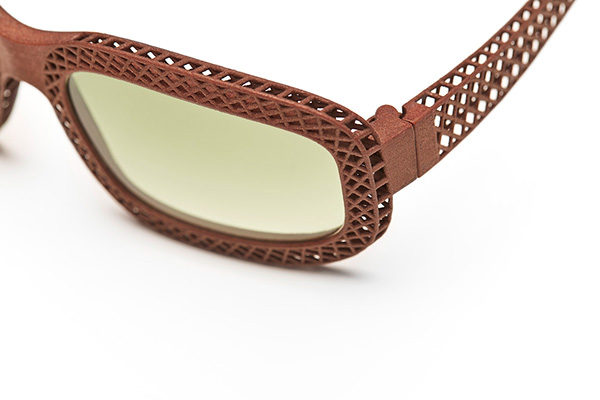
What Are 3D Printed Eyewear? 3D-printed glasses are eyewear frames produced through additive manufacturing. This technology builds frames layer by layer from digital designs. It replaces traditional methods like injection molding. The process enables high customization, complex geometries, and rapid production.
-
Application Scenarios of 3D Printed Glasses in Current Eyewear Production
The Application of 3D Printed Glasses in Zhantai Glasses
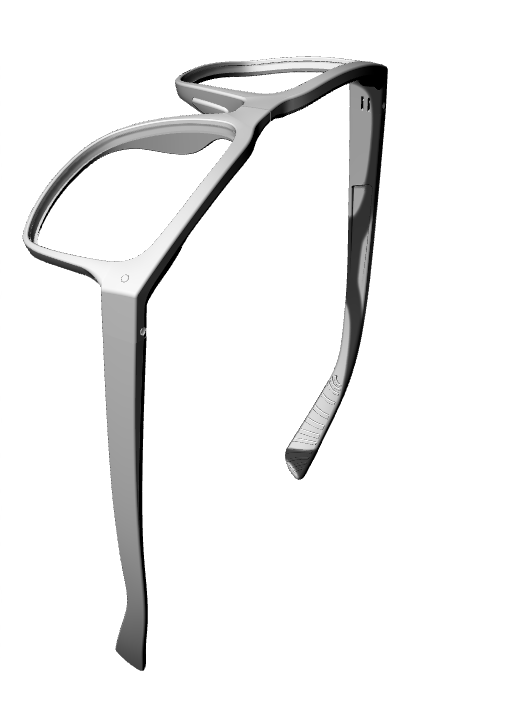
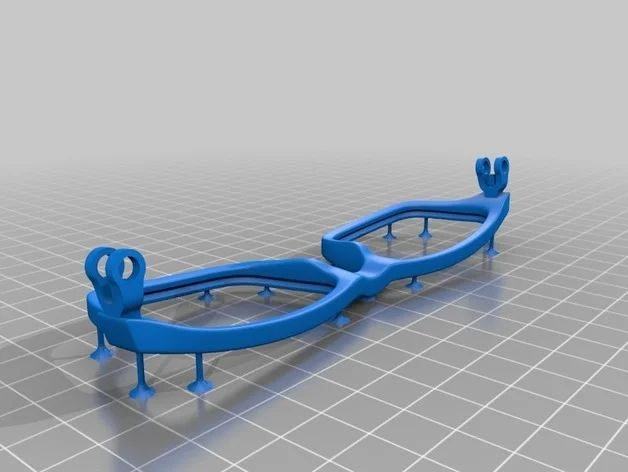
Zhantai Glasses uses 3D printing technology to produce sample glasses. We apply this method before formal injection molding. This rapid prototyping approach provides physical samples within 24-48 hours. It significantly shortens the traditional 1-2 week mold-making cycle.Our clients evaluate designs through 3D printed eyeglasses samples. They visually assess overall proportions and structure. This process facilitates quick adjustments during early stages. Designers optimize based on physical prototypes. Current 3D printed glasses presents some limitations. Precision constraints cause rough details on frames. Printed hinges often lack production-standard fineness. Chamfered edges appear less refined than final products. Material differences affect quality significantly. Standard resins alter weight and flexibility. These materials create different textures from molded products. The variance leads to subpar wearing experiences.Key contact areas require special attention. Nose pads need additional smoothing. Temple tips often need manual refinement. These areas may cause discomfort during extended wear.
Our team improves samples through manual polishing. We apply soft materials to critical contact points. These enhancements significantly improve wearability. We clearly explain the sample’s preliminary nature to clients. We emphasize the final product’s superior comfort and finish.
Advantages of 3D Printing Eyewear Production
1.Rapid Prototyping & Shorter Lead Times
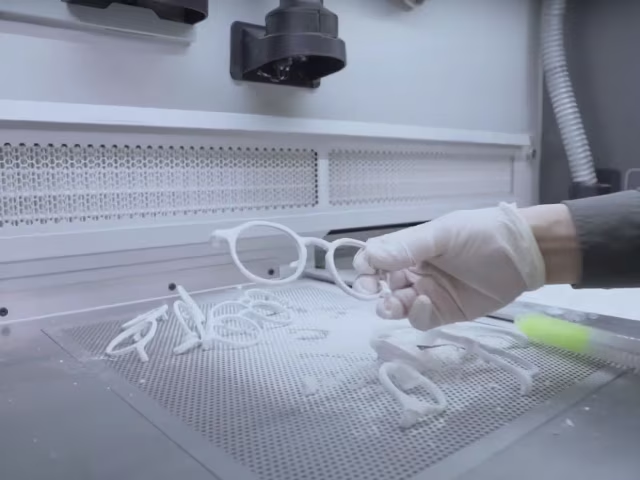
Enables quick production of physical samples (within 24-48 hours), accelerating design validation and reducing the traditional 1-2 week mold-making wait time.
2.Design Freedom & Complex Geometries
Allows intricate, lightweight structures like lattice patterns or hollow frames that are impossible with traditional manufacturing.
Facilitates ergonomic optimization for better comfort and aesthetics.
3.Sustainability Benefits
Compatible with recycled plastics and bio-based materials.
Lower carbon footprint due to reduced logistics and waste.
Future Development of 3D Printed Eyewear
Technological advancements and shifting consumer demands will drive transformative growth in 3D printed eyewear. Several key trends are shaping this evolution.
-
Mass Customization & Consumer-Centric Production AI algorithms will automatically generate perfectly fitted frames by analyzing facial scans. Brands will provide web-based self-design tools for customers. Retailers will install in-store printing kiosks for same-day delivery.
-
Advanced Materials & Functional Innovation New polymers will replicate acetate aesthetics while improving durability. Manufacturers will adopt biodegradable materials like algae-based filaments. Companies will integrate electronics for AR/VR and health monitoring.
-
Hybrid Manufacturing for Premium Quality Eyewear will combine 3D printing with traditional craftsmanship. Artisans will hand-polish printed frames for premium finishes. Manufacturers will add metal alloy accents during production.
-
Scalability & Industrial Adoption Next-generation printers will reduce production time by over 50%. Brands will implement digital inventory systems. Companies will use on-demand printing to minimize waste.
-
Medical & Specialized Applications Developers will create hybrid prosthetic-optical solutions. Manufacturers will integrate corrective lenses directly into frames. These advances will serve post-surgery and vision-impaired users.
The application of 3D printed glasses
In the fast-paced world of modern eyewear, getting a new sunglasses design to market quickly—and getting it right—can make or break a brand. Long development cycles and costly production mistakes are no longer an option. That’s why we’ve integrated advanced 3D printing technology directly into our manufacturing process. Before committing to expensive steel molds, we create highly accurate, 3D printed prototypes that give clients a real feel for their product early on. This means brands can see, touch, and evaluate their designs in physical form before a single production tool is made. The result? Smarter decisions, faster timelines, and less guesswork.
This approach is a game-changer during new product development, especially when the final frame design is still taking shape. Instead of waiting weeks for a mold, we deliver functional prototypes in just days. Clients can test key features like frame proportions, bridge fit, temple curvature, hinge placement, and overall balance—without the pressure of final specs. Designers can also play around with lens shapes, material thickness, and ergonomics on the fly. Since revisions happen early, brands avoid the pain and cost of redoing tooling later on. In short, 3D printing helps de-risk development while sharpening both the look and feel of the final frame.
Unlike traditional sampling methods that rely on hard tooling, rapid prototyping keeps upfront investment low and speed to market high. It also opens up better communication between brands and manufacturers, creating a feedback loop that’s fast and productive. Whether you’re an emerging label or an established retailer, having that kind of flexibility gives you a serious edge. At the end of the day, working with a sunglasses manufacturer that offers in-house 3D printing means smoother validation, smarter production transitions, and way more confidence before you hit “go” on mass manufacturing.
The industry will achieve hyper-personalization through tech integration. Sustainable production methods will become standard. Mainstream adoption will make perfect-fit eyewear universally accessible.