Choosing the right sunglass manufacturer is one of the most critical decisions for brands, cross-border sellers, and retailers. With global supply chains becoming more complex, understanding where and how sunglasses are produced can directly impact product quality, cost, delivery time, and long-term brand competitiveness.
This guide explains what sunglasses manufacturing hubs are, where the major global production clusters are located, and how to choose the best custom sunglasses manufacturer for your business.
What Is a Sunglasses Manufacturing Hub?
A sunglasses manufacturing hub refers to a geographic region where eyewear factories and supporting industries operate in close proximity. These regions usually form a complete and efficient production ecosystem.
In a typical hub, frame manufacturers work alongside lens suppliers, mold and tooling factories, and surface treatment providers. Moreover, electroplating, coating, and finishing services are often located nearby.
Accessory suppliers also play a key role in these hubs. They provide essential components such as nose pads, hinges, screws, and small hardware parts. In addition, packaging and logistics services usually operate within the same region.
Because the entire supply chain is concentrated locally, production becomes faster and more cost effective. A professional sunglass manufacturer can scale efficiently without sacrificing consistency.
Why Manufacturing Hubs Matter for Brands and Sellers
Choosing a manufacturing hub instead of an isolated factory brings clear advantages for brands, sellers, and buyers. These advantages go beyond pricing and directly affect long-term performance.
For brands, manufacturing hubs offer stronger ODM capabilities and smoother product development. Design changes become easier, and design iterations move faster. Therefore, brands can maintain consistent quality across long-term collections while controlling costs.
For cross-border sellers operating on Amazon or DTC channels, hubs provide flexibility. Lower MOQs, faster lead times, and competitive pricing are common benefits. Moreover, experienced shades sunglasses manufacturers within hubs understand fast-moving e-commerce demands.
Retailers and large buyers also benefit from hub-based production. These regions support stable supply for high-volume orders and comply with international standards. In addition, after-sales support and quality control systems tend to be more mature.
So selecting the right hub helps reduce operational risk while improving overall efficiency.
Global Overview of Sunglasses Manufacturing Hubs
Globally, sunglasses production concentrates in a few key regions. China leads global output, Italy focuses on luxury eyewear, and Southeast Asia continues to grow as a supplementary manufacturing base.
The United States maintains a small but specialized group of domestic manufacturers. These factories typically focus on low-volume production, niche markets, and strong brand positioning rather than mass output.
Europe also includes manufacturers outside Italy. Countries such as France and Germany support limited sunglasses production, often linked to fashion houses, technical eyewear, or heritage brands.
Different business models coexist within these hubs. In OEM production, brands provide designs while factories execute manufacturing. In ODM models, a custom sunglasses manufacturer manages both design and production. Private label models rely on ready-made designs branded under the buyer’s name.
Most major hubs support all three models. But the ODM capability varies significantly by region and factory experience. Chinese manufacturers generally offer the most mature and scalable ODM systems.
From a global trend perspective, cost, technology, and lead time remain decisive factors. China still offers the best balance across all three. Europe delivers design excellence at higher costs, while Southeast Asia competes on labor but lacks upstream integration.
The U.S. and European niche manufacturers emphasize craftsmanship, compliance, and branding. But their higher costs and limited capacity restrict large-scale international supply.
Major Sunglasses Manufacturing Countries by Continent
Asia remains the global center for large-scale sunglasses production. China dominates volume, while Vietnam, Thailand, and Cambodia continue expanding manufacturing capacity.
In Europe, Italy stands out as the primary production base for high-end eyewear. Other regions, including North America, mainly focus on small-batch or niche production.
As a result, most international sunglass manufacturer operations continue to rely on Asian hubs for scalability.
Chinese Sunglasses Manufacturing Hubs
Why China Is the World’s Largest Sunglasses Manufacturing Center
China’s leadership in sunglasses manufacturing comes from a fully integrated supply chain. From raw materials to finished products, most components are sourced locally.
Frame materials such as metal, TR, PC, and acetate are readily available. At the same time, lens suppliers offer polarized, UV400, and mirrored options. Packaging and accessories are also produced nearby.
Industrial clusters further strengthen efficiency. Tooling, injection molding, metal processing, and surface treatments operate within the same regions.
So Chinese shades sunglasses manufacturers achieve faster turnaround times without quality compromise.
Major Sunglasses Manufacturing Clusters in China
Wenzhou, Zhejiang
Wenzhou positions itself as a mid-to-high-end manufacturing hub focused on OEM and ODM production. Factories here specialize in metal sunglasses, injection frames, and combination structures.
This region is known for strong mold development capabilities and close cooperation with international brands. The manufacturers in Wenzhou have deep experience with FDA, CE, and BSCI compliance.
For brands seeking a reliable custom sunglasses manufacturer for long-term cooperation, Wenzhou remains a top choice.
Taizhou, Zhejiang
Taizhou focuses on cost-effective injection sunglasses. The region excels in large-volume orders and fast-moving styles.
Taizhou works well for supermarket programs and mass retail buyers who prioritize efficiency and price competitiveness.
Danyang,Jiangsu
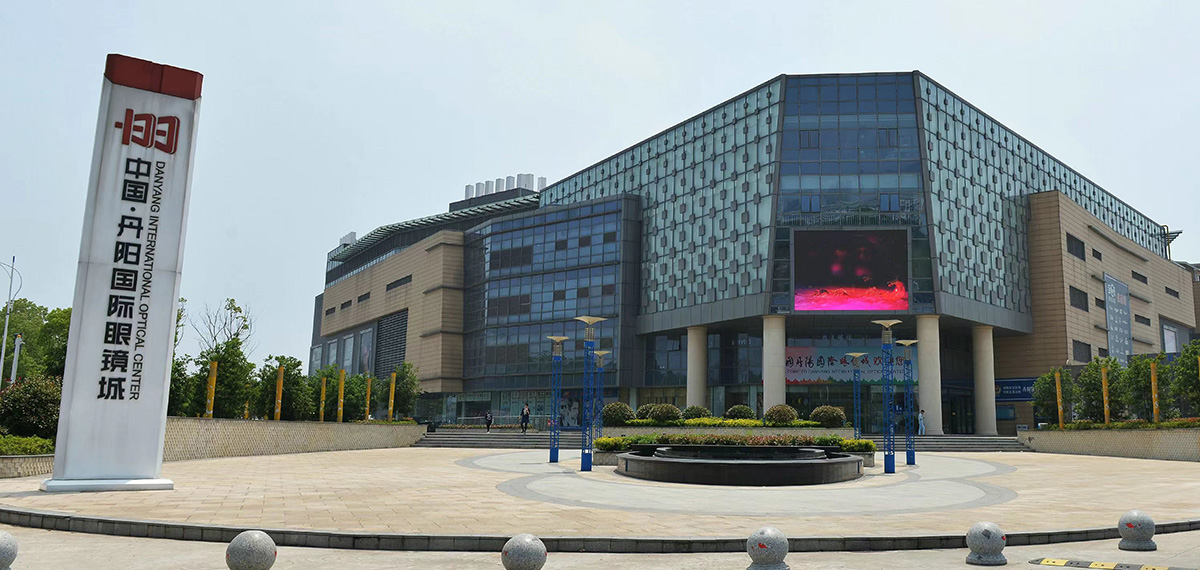
One of China’s most important eyewear production bases. The city is best known for its large-scale lens manufacturing, particularly prescription lenses and optical components. Many local factories specialize in resin, polycarbonate, and functional lenses, supplying both domestic and international markets. In addition, Danyang supports a complete upstream ecosystem, including lens coating, edging, and optical testing services. While fewer full-frame factories operate in the area, Danyang plays a critical role in supporting sunglass manufacturers across China by providing stable, cost-effective lens solutions.
Shenzhen and Dongguan, Guangdong
Factories in Shenzhen and Dongguan emphasize design and fashion trends. These manufacturers often serve trend-driven brands and limited-edition collections.
Here, aesthetics and innovation receive greater attention than pure cost control.
Xiamen and Jinjiang, Fujian
Xiamen and Jinjiang specialize in sports and functional sunglasses. Many outdoor and athletic brands choose this region for performance-focused eyewear.
Southeast Asia Sunglasses Manufacturing Hubs
Vietnam Sunglasses Manufacturing
Vietnam offers favorable trade policies and lower labor costs. These factors attract brands looking to diversify production.
The question is Vietnamese factories still rely heavily on Chinese molds and materials. ODM capability remains limited. Vietnam works best as a supplementary base rather than a full replacement for China.
Thailand and Cambodia
Thailand and Cambodia mainly focus on OEM assembly. Supply chains in these regions remain incomplete.
It will lead times tend to be longer, customization options are limited, and dependency on external suppliers stays high.
Many Chinese eyewear factories have already established overseas production facilities in countries such as Vietnam, Thailand, and Cambodia. These factories aim to reduce labor costs while also mitigating tariff and trade policy risks. In most cases, core components, molds, and materials still come from China, while overseas sites focus on assembly and labor-intensive processes. This hybrid manufacturing model helps maintain cost efficiency without sacrificing supply chain control.
How to Choose the Right Sunglasses Manufacturing Hub
Recommendations by Customer Type
Cross-border e-commerce sellers should prioritize Chinese hubs with low MOQs and fast sampling. Speed and restocking efficiency matter most.
Brands should focus on ODM capability, mold ownership, and experienced custom sunglasses manufacturers. These factors support long-term product development.
Retail chains and large buyers should emphasize compliance, production capacity, and quality stability. In this case, long-term partnerships matter more than short-term savings.
Key Decision Factors
When selecting a hub, buyers should evaluate MOQ flexibility, customization support, and certification coverage. Lead time for sampling and bulk production also plays a critical role.
Equally important is after-sales support. A professional sunglass manufacturer should offer transparent processes for quality issues and replacements.
Choosing the Right Hub Matters More Than Price
Each sunglasses manufacturing hub has unique strengths and limitations. While price matters, it should never be the only decision factor.
The right hub, combined with the right factory, ensures stable quality, faster delivery, better customization, and sustainable growth. If you are looking for a reliable custom sunglasses manufacturer or an experienced shades sunglasses manufacturer, understanding the hub behind the factory is the first step to success.